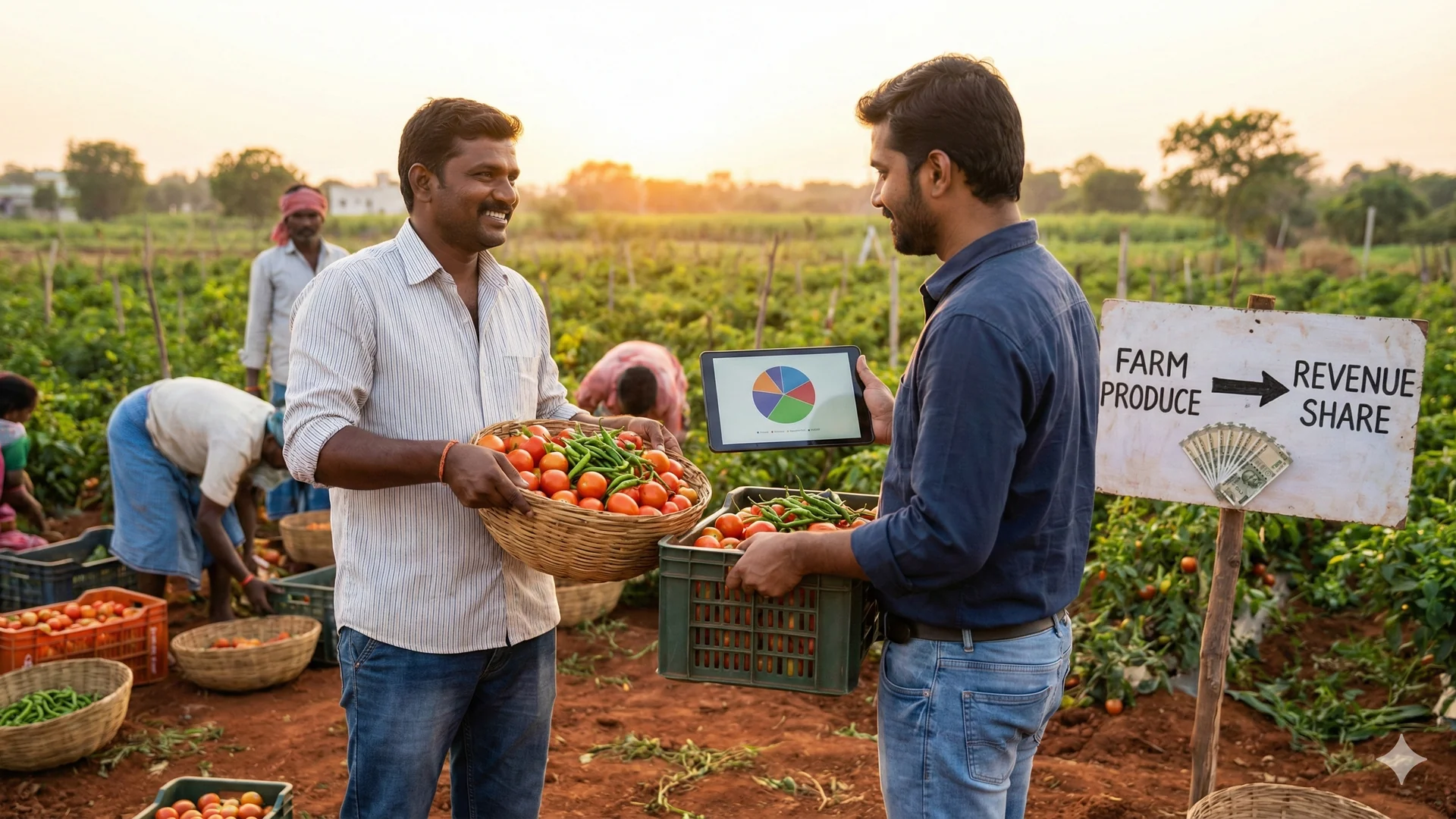
Most land just sits there. What if your land grew something every season? Welcome to the world of Harvest Sharing.
The Problem with Traditional Farmland
Many city families dream of owning a farm, but the reality often involves significant hurdles: finding reliable labor, understanding complex soil chemistry, and navigating the volatile markets for agricultural produce. Often, the farm ends up neglected because nobody is there to look after it.
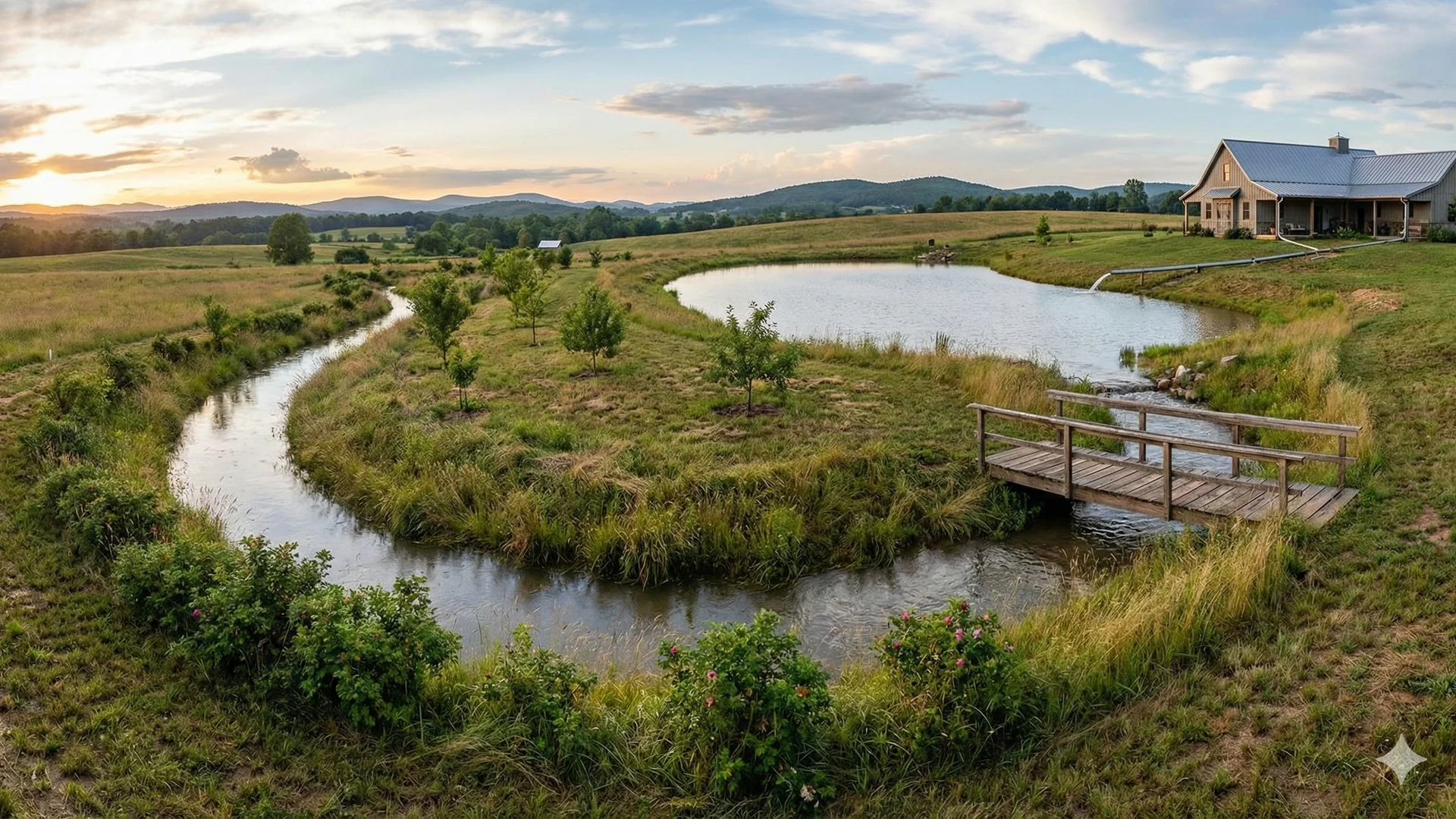
The **Managed Farmland** model, specifically through **Vriksha Farms**, solves this. Vriksha is our fully managed farm option: your acre is part of a larger, professionally managed plantation.
Vriksha Farms: A Fully Managed Farm Option
Vriksha plans, plants and manages the plantation for you, for the long term. We look after the farm, you share the harvest.
Explore Vriksha ProjectsHow Harvest Sharing Works
Harvest sharing is a symbiotic relationship between the land owner (you) and the farm manager (us). Here is how the cycle works:
1. Expert Crop Selection
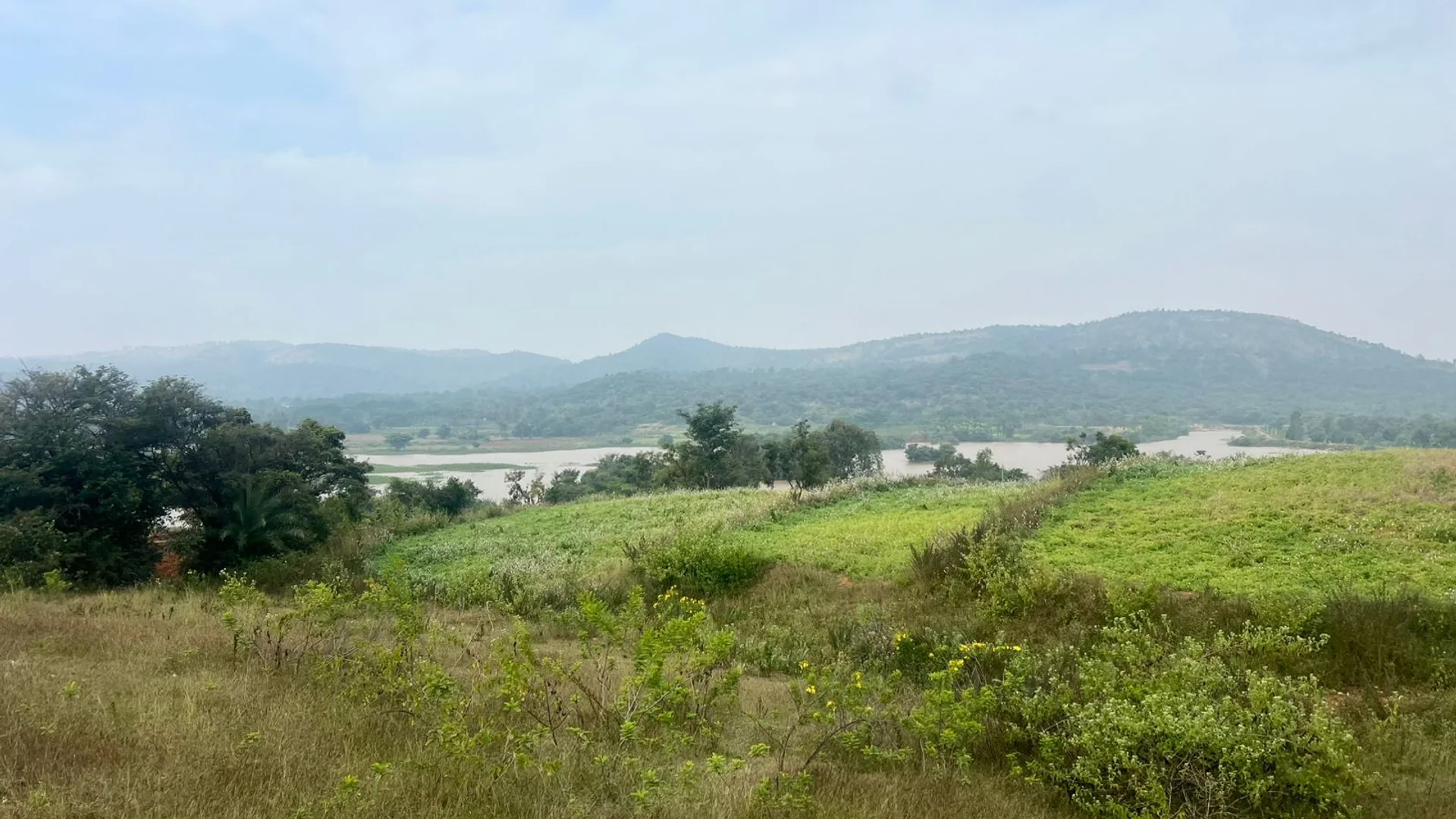
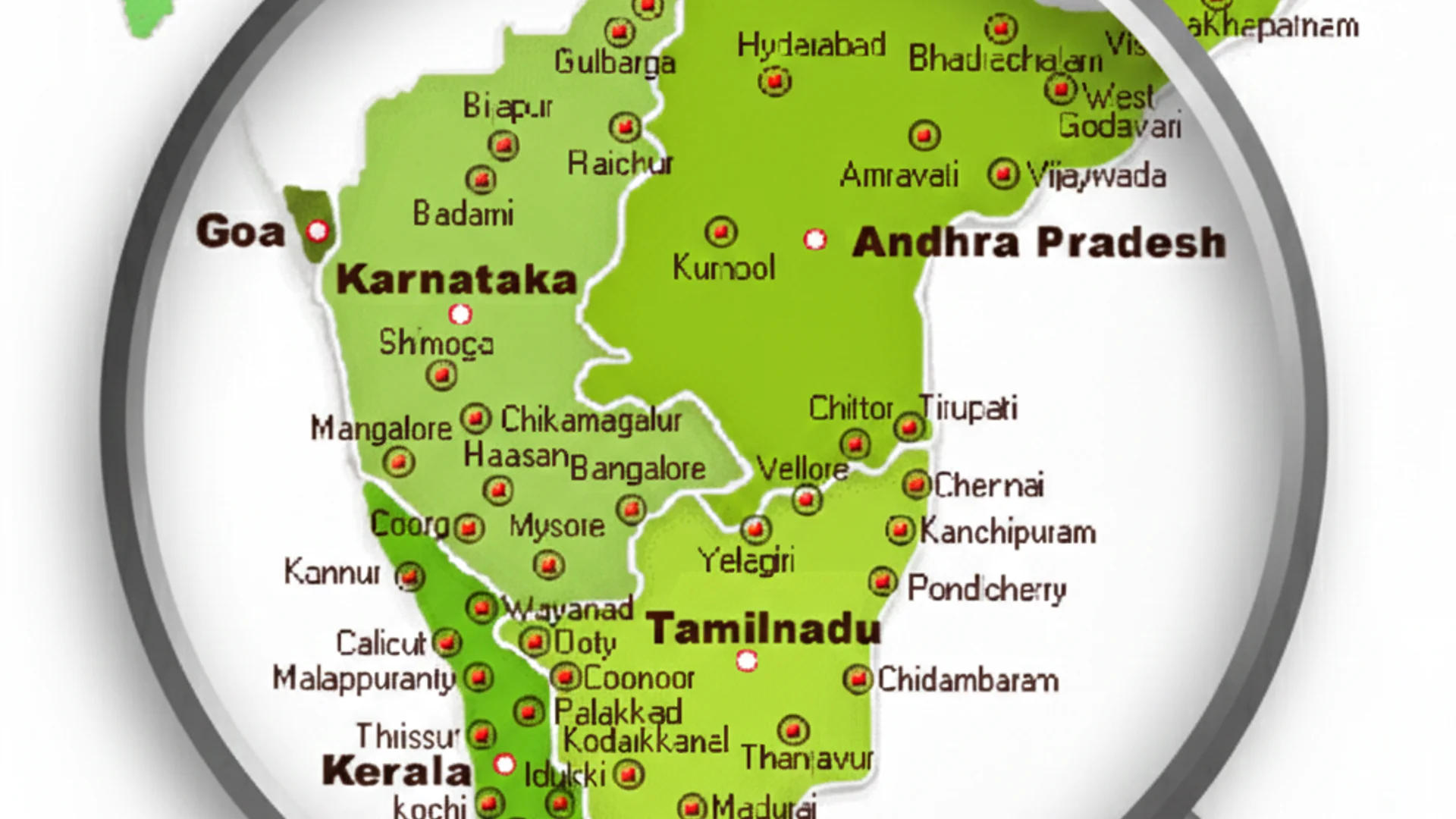
We don't plant based on "trends"; we plant based on soil science and market demand. By analyzing the micro-climate of our Bangalore projects, we select crops—like Mango varieties, Sandalwood, or medicinal herbs—that suit the land and have established buyers.
2. Professional Management (The Heavy Lifting)
One Acre Farms handles every aspect of the agricultural cycle. This includes irrigation, fertilization, pest management, and pruning. By managing hundreds of acres collectively, we achieve "economies of scale" that an individual farmer never could.
3. The Harvest & Sale
When the crops are ready, our team handles the harvest, grading, and transport to market. We sell the produce through our network of retailers and wholesalers.
4. Sharing the Harvest & Transparency
When the produce from your acre (or your part of the collective project harvest) is sold, your share is passed on to you after operating costs.
Transparency is the cornerstone of a successful managed model. We provide our owners with a digital dashboard that tracks the health of their plantation, and the costs of inputs, so you are never "in the dark" about how your farm is doing. For the farming techniques we use, see our post on Climate-Resilient Farming.
Layered Planting: Timber, Fruits, and Intercrops
A standard farm focuses on one crop. A managed orchard from One Acre Farms layers crops with different maturity timelines, so there is something to harvest in most seasons:
- Short-Term (1-3 years): Legumes, spices like Turmeric, and essential oils that can be harvested while the trees are maturing.
- Medium-Term (5-10 years): High-value fruit crops like Mango (Alphonso, Mallika), Guava, and Avocado. These fruit every season once established.
- Long-Term (15+ years): Timber trees like Sandalwood and Melia Dubia. They take the longest to mature and are something to pass on to your children. Read more in our Retirement Planning Guide.
Why Owners Choose This Model
Beyond the obvious benefit of not having to pick up a shovel, harvest sharing offers several practical advantages:
- Risk Mitigation: By participating in a collective harvest, you are protected against a single-tree failure. The success of the whole plantation supports the individual owner.
- Your Time: You visit when you like; the day-to-day farming is handled by our team.
Long-Term vs Short-Term Crops
It's important to understand the biological timeline. Trees take years to mature, so this is a long-term commitment.
Mitigating Agricultural Risk: The Collective Advantage
Farming is inherently risky due to weather and pests. However, by participating in a managed cluster, your risk is significantly lower than that of a solo farmer.
Sharing the farming across a managed cluster is what makes this practical. By integrating advanced soil health management, we look after the land through good seasons and bad.
Conclusion: Land That Grows Something
There is a deep satisfaction in owning a piece of the earth that is actively growing food. Harvest sharing lets you take part in that without doing the farming yourself. With Vriksha Farms, our fully managed farm option, you own land that keeps growing for the next generation.
See a Managed Farm in Person
Curious how harvest sharing works for a specific crop cycle or project? Our team walks you through it on a call or at the farm. Visits are by appointment.
Explore More Farm Opportunities
- For a complete overview, read our managed farmland around Bangalore.
- Discover your ideal rural escape with our farmland near Hosur.
- Deepen your research by exploring our managed farmland for retirement planning.
Frequently Asked Questions
Myth vs. Reality
"I have to be an expert in farming to own a farm."
"Managing 100 acres is the same as managing 1 acre."
"One bad monsoon wipes out the farm."
Interested in owning farmland?
Schedule a free site visit to explore our managed farmland projects near Bangalore.