For many families, what matters is the place they leave behind. In the bustling corridors of Bangalore's visionaries, a new asset class is emerging: the Legacy Estate.
The Shift from Penthouses to Perimeters
For decades, the standard symbol of success in Bangalore was the luxury penthouse in Lavelle Road or a sprawling villa in Indiranagar. However, a fundamental shift is occurring. Driven by a desire for privacy, food security, and generational continuity, the city’s leaders are looking beyond the city limits toward managed legacy estates.
A "Legacy Estate" is not merely a piece of land; it is a curated ecosystem designed to last for a century. It represents a move from "consumerist luxury" to "productive luxury."
Wildwood: The Pinnacle of Legacy Living
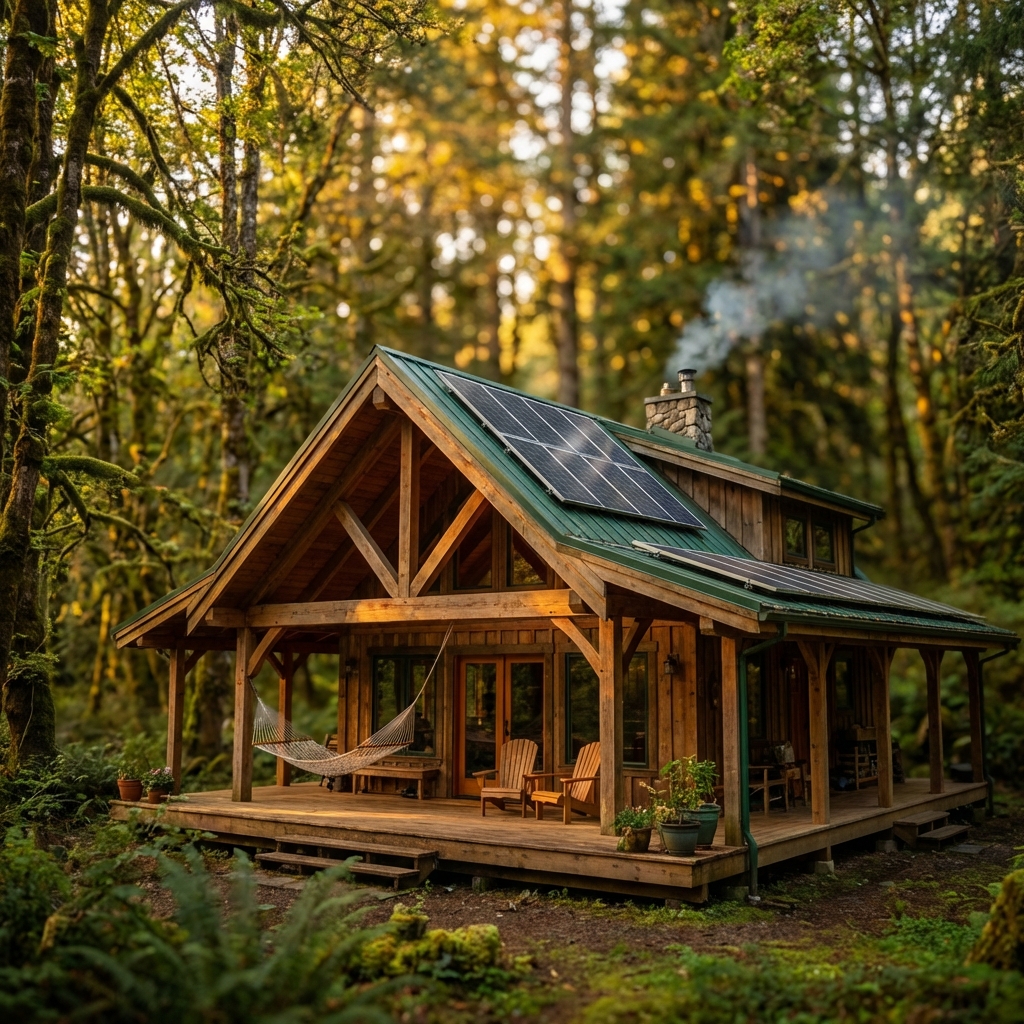
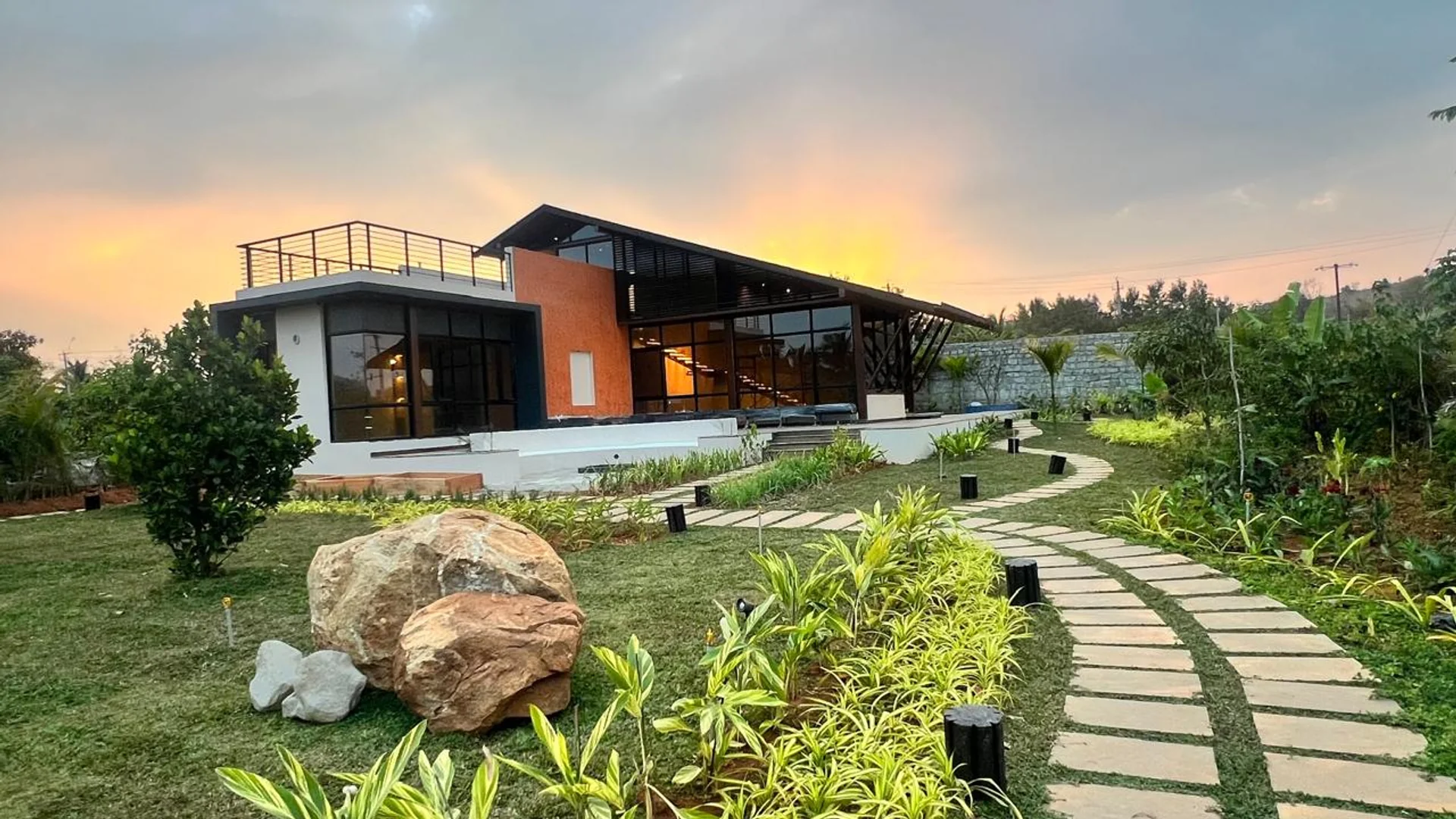
Our Wildwood brand is specifically designed for those seeking to establish a family seat. High-security, premium infrastructure, and absolute privacy.
Explore Wildwood EstatesWhy UHNIs are Diversifying into Land
The volatility of global financial markets and the saturation of urban real estate have made tangible, rural assets more attractive. Here’s why the legacy estate has become the preferred choice:
1. Generational Continuity
An apartment has a shelf life. Even the most luxurious building will eventually face depreciation or redevelopment. Land, conversely, is permanent. A legacy estate, particularly one managed with regenerative principles, becomes more valuable as its forests mature and its ecosystems stabilize. It is an asset that children and grandchildren can inherit, not just as a financial value, but as a place of belonging.
2. Absolute Privacy and Security
In an age of constant connectivity, true luxury is the ability to be unreachable. High-end managed farmlands like Wildwood offer a level of seclusion that even the most private gated communities in the city cannot match. With controlled entry points and vast acreage between neighbors, the sense of "living on your own island" is revitalizing.
3. Natural Capital
UHNIs are increasingly aware of "Natural Capital." This includes air quality, water security, and soil health. In a future where these resources may become scarce, owning a self-sufficient estate with its own water table and organic food production is the ultimate insurance policy.
The Role of Management in Legacy Building
Establishing a legacy estate is a complex undertaking. It requires knowledge of soil science, water management, local legalities, and architectural integration. This is where the "Managed" model becomes critical. For a UHNI whose time is their most valuable resource, the ability to delegate the technical maintenance of an estate to experts like One Acre Farms is a game-changer.
Furthermore, a managed estate provides a layer of institutional security. Individual farm owners often struggle with boundary disputes, labor management, and unpredictable agricultural yields. In a managed community, these risks are mitigated through professional legal oversight and collective bargaining for resources. For those unfamiliar with the complexities of local land laws, reviewing a comprehensive legal checklist is the first step toward a secure acquisition.
Risk Mitigation: Protecting the Multi-Generational Asset
The primary risk for any significant land investment is title clarity and encroaching urbanization. UHNIs are increasingly opting for "Designated Green Zones" or areas with established forest buffers. Unlike speculative land buying, legacy estates are positioned in corridors where the primary value is derived from the *sustained ecosystem* rather than immediate resale potential.
This approach requires a shift in mindset—viewing land as a "slow asset." While urban apartments might offer higher liquidly in the short term, they are subject to the decay of the surrounding neighborhood. A legacy estate, however, creates its own neighborhood. By controlling the ecology of the entire perimeter, the owner ensures that the value of their specific plot is protected by the health of the entire project. This is why our Wildwood project emphasizes large-scale forestation as the primary security feature.
Case Study: The Rise of the 'Hosur-Thalli' Corridor
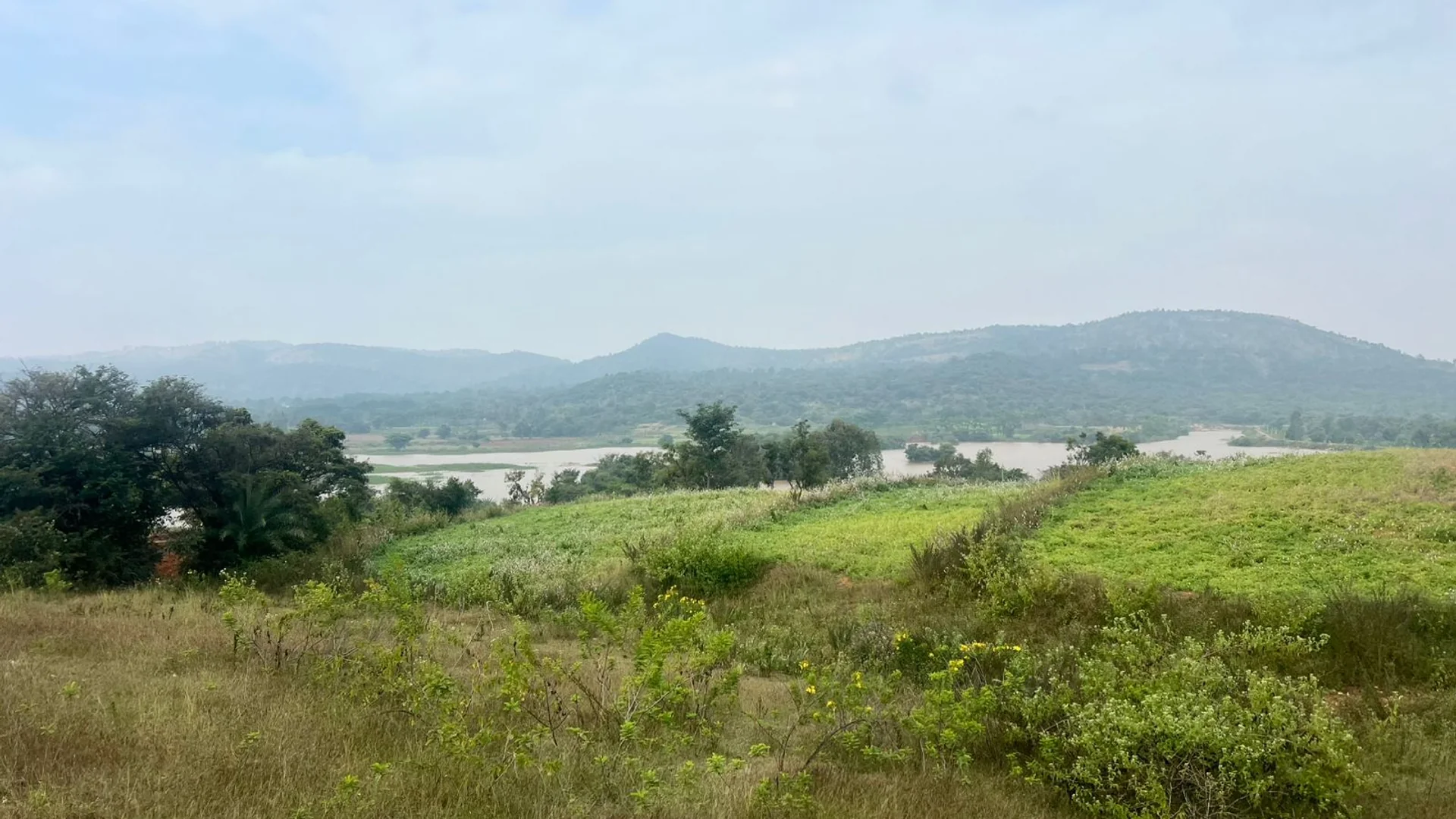
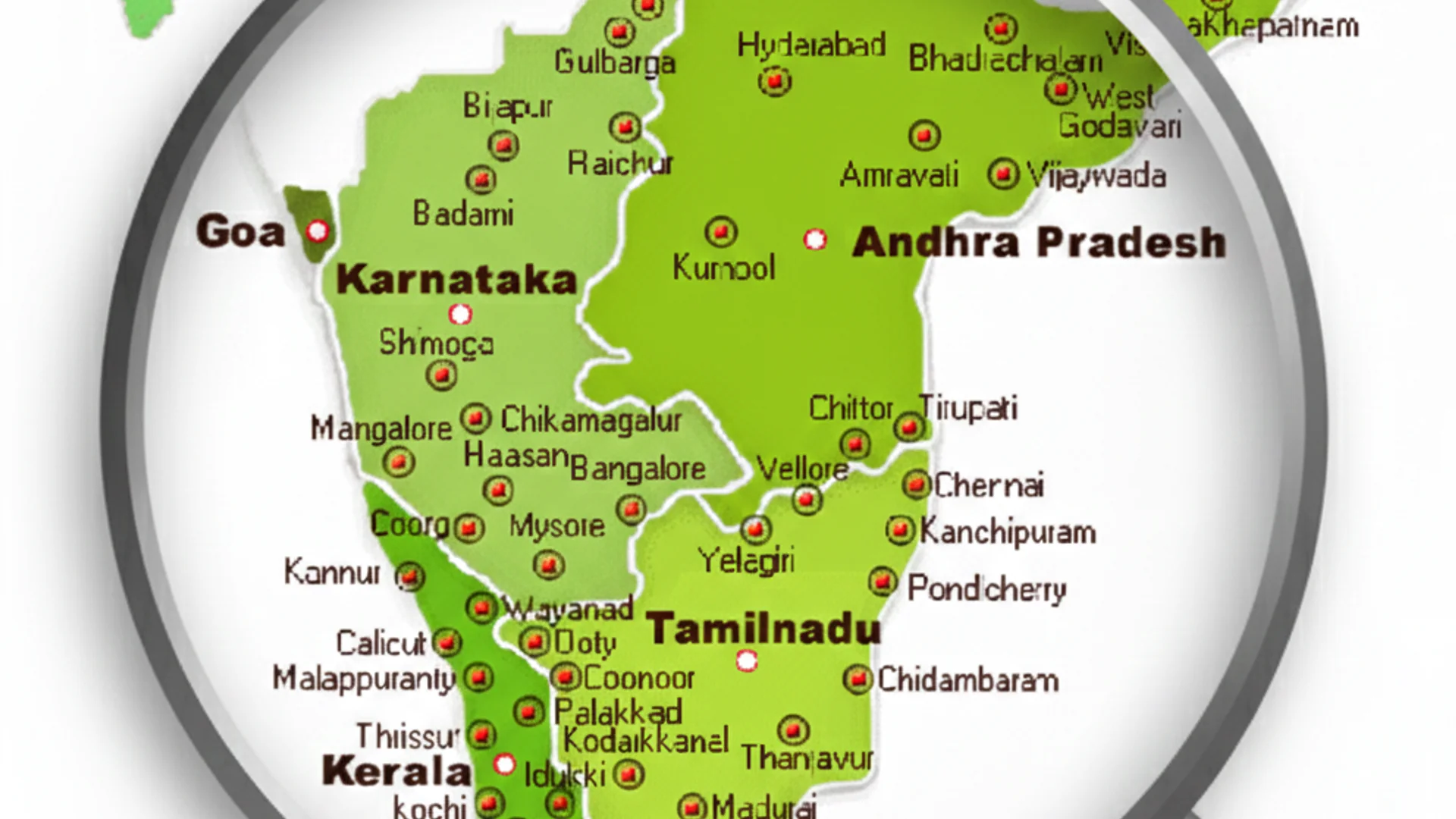
We are seeing a concentrated interest in the regions surrounding Denkanikottai and Thalli. Often referred to as the "Little England" of the South due to its cooler micro-climate and rolling hills, this area has become the epicenter for legacy estate development. Its proximity to Bangalore, combined with its unspoiled landscape, makes it the ideal canvas for building a family seat. The soil in this region is particularly conducive to high-value timber and fruit orchards, making it a "productive" legacy rather than a static one.
The Psychological Anchor of Land Ownership
Beyond the financial and ecological arguments, there is a profound psychological element to owning a legacy estate. In the high-velocity world of technology and finance, a physical, permanent anchor provides a sense of continuity that a digital bank balance cannot. It provides a space where children can understand the origins of their food, the cycles of the seasons, and the importance of stewardship.
This connection to the land acts as a "reset button" for the nervous system. As Bangalore continues to densify, the value of silence and open space will become the ultimate currency. Those who invest in a legacy estate today are securing more than just land; they are securing the peace of mind of future generations.
Conclusion: Investing in the Long-Now
Choosing a legacy estate is an act of optimism. It is a statement that you believe in the future of your family and the resilience of the land. It is a transition from being a consumer of luxury to being a custodian of nature. As you plan your portfolio for the next decade, consider the "Long-Now"—the places that will sustain your family and the land itself.
Discuss Your Legacy Strategy
Building a legacy estate requires a bespoke approach. Connect with our founders for a private consultation on securing your family's future in nature.
Frequently Asked Questions
Myth vs. Reality
"Managed farmland is just for retirees."
"You can't get high-speed internet in the hills."
"A farm is just a slower apartment."
Interested in owning farmland?
Schedule a free site visit to explore our managed farmland projects near Bangalore.