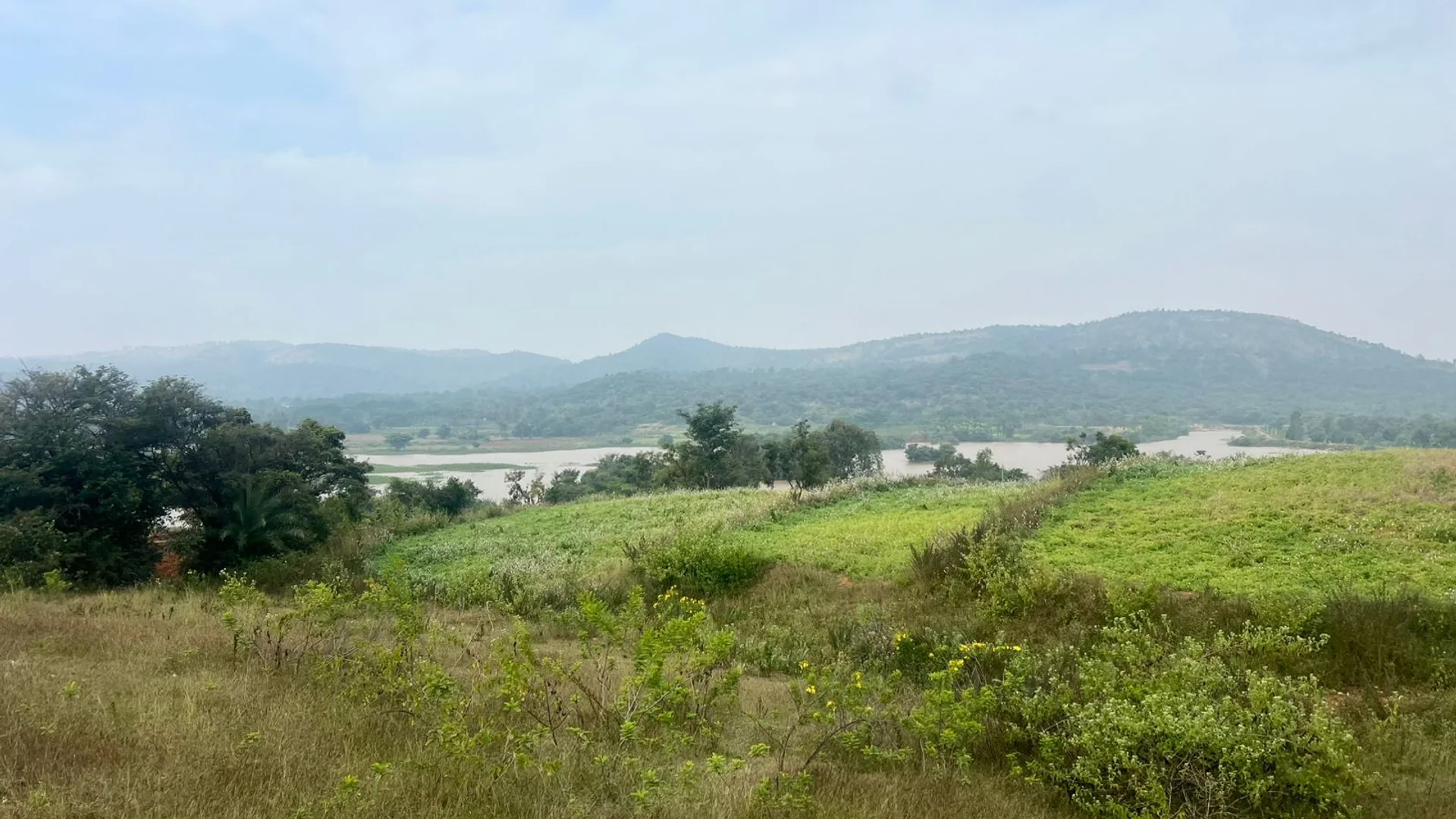
A legacy isn't built in a day, but it can be lost in one. For the owners of premium managed estates, the true value of the land is realized not by the current owner, but by those who come after.
The Multi-Generational Asset
Unlike urban apartments or volatile stocks, a managed one-acre farm is a biological asset that matures over decades. A mahogany tree planted today will reach its peak value when your grandchildren are entering adulthood. However, ensuring that this value remains within the family requires deliberate **Succession Planning**.
Wildwood: Built for Centuries
Our Wildwood brand focuses on 'High-Perimeter' estates designed to be family seats. Secure the land today, build a legacy for tomorrow.
Explore Legacy EstatesThe Pillars of Farm Succession
1. Fractional Ownership vs. Single Title
Often, families face conflict when a large asset is left to multiple heirs without a clear management structure. We recommend exploring **Trust structures** or **Private Limited Companies** to hold the title of the managed estate. This allows siblings or children to own "shares" in the legacy without needing to physically partition the land, which often destroys its agricultural viability.
2. The 'Family Constitution' for the Farm
A farm estate is more than a financial asset; it's a social hub. Defining the rules of use—who can visit when, how the farmhouse is shared, and how the "harvest revenue" is distributed—prevents future friction. Documenting these rules in a simple family charter ensures everyone stays Aligned with the original vision.
3. Tax-Efficient Transfers
While India currently has no inheritance tax, the "Capital Gains" and "Stamp Duty" involved in property transfers can be significant. By initiating a planned transfer—perhaps through a **Gift Deed** while the primary owner is still alive—families can save substantial costs and ensure a smoother transition of management rights.
Management Continuity: The One Acre Advantage
Management Continuity: Avoiding the "Third-Generation" Trap
The biggest risk to a family farm is the "interest gap." If the next generation lives abroad or has zero agricultural knowledge, the farm quickly falls into decay.
The **Managed model** solves this. Because One Acre Farms handles the technical, legal, and agricultural stewardship, the heirs don't need to be experts. They simply inherit a high-performing, professionally managed asset. This continuity ensures that the family's "Natural Capital" remains intact across generations. To understand the tax implications of these transfers in more detail, see our guide on Farmland Documentation.
The Role of 'Family Governance'
As an estate grows in complexity, simple verbal agreements aren't enough. We help our owners establish "Family Councils" for their estates. This isn't just about money; it's about decision-making. Should we plant more timber or focus on organic fruit? Should we expand the farmhouse?
By creating a structured forum for these discussions, you prevent the emotional friction that often leads to "forced sales" of family land. A managed estate under a governed trust is the ultimate way to ensure that your Legacy Asset remains a source of unity, not division, for your children.
Teaching the Next Generation
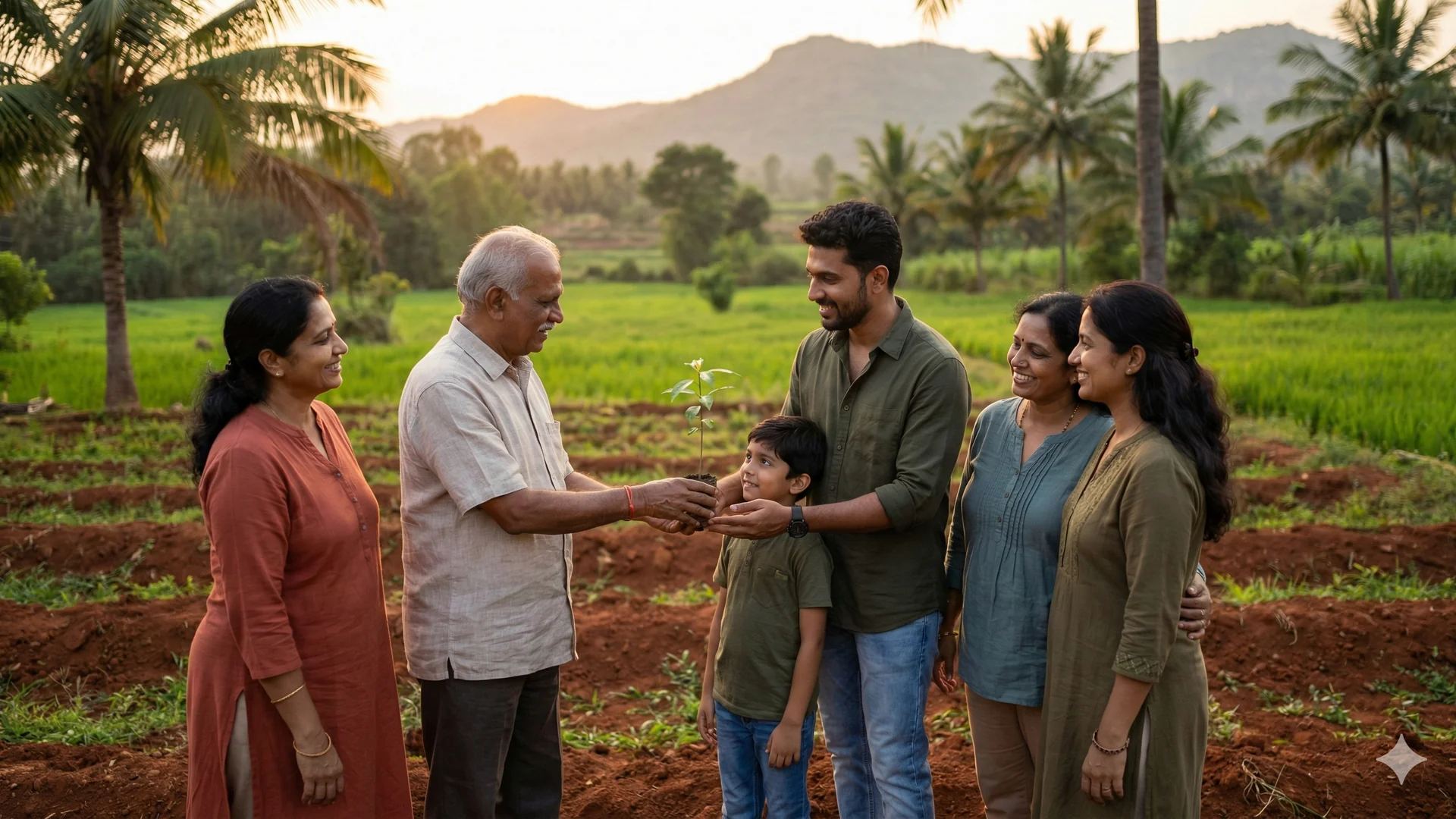
Passing on a farm is about values as much as land. We encourage our owners to involve their children in the "Farm Rhythms." Understanding the biology of their soil and the lifecycle of their trees fosters a sense of stewardship. A child who has planted a tree on their family estate is far less likely to sell it off on a whim.
Conclusion: Plant for the Long-Now
An old proverb says a family fortune rarely lasts three generations. A farm the children have walked since childhood has a better chance. By choosing a managed farmland estate and structuring its succession carefully, you break this cycle. You aren't just leaving them a "property"; you are leaving them a living, breathing piece of the future.
Secure Your Families Future
Speak with our consultants about the best ways to structure your estate for generational continuity. Our legal partners can provide guidance on trust-based land holding.
Explore More Farm Opportunities
- For a complete overview, read our managed farmland around Bangalore.
- Community Living
- Sustainable Living
- Discover your ideal rural escape with our managed farm plots in Thalli.
- Deepen your research by exploring our Hosachiguru vs One Acre Farms.
Myth vs. Reality
"I can just leave the land in my Will."
"My children won't be interested in farming."
"Dividing 1 acre is easy."
Interested in owning farmland?
Schedule a free site visit to explore our managed farmland projects near Bangalore.