Every great investment requires a beginning, a middle, and — potentially — a profitable end. Understanding the "Exit" is as important as the purchase.
The Liquidity Myth
One of the most common misconceptions is that "farmland is hard to sell." While this may be true for raw, undeveloped agricultural land with questionable titles, it is not true for **Managed Habitats**. A plot in a well-branded, highly-maintained community like Misty Valley or Vriksha has a secondary market that functions more like premium residential real estate than traditional agriculture.
Well-Kept Farms
Our projects have historically seen strong secondary market demand.
See Project Track RecordWhat Drives Potential Resale Value?
1. Mature Biological Capital
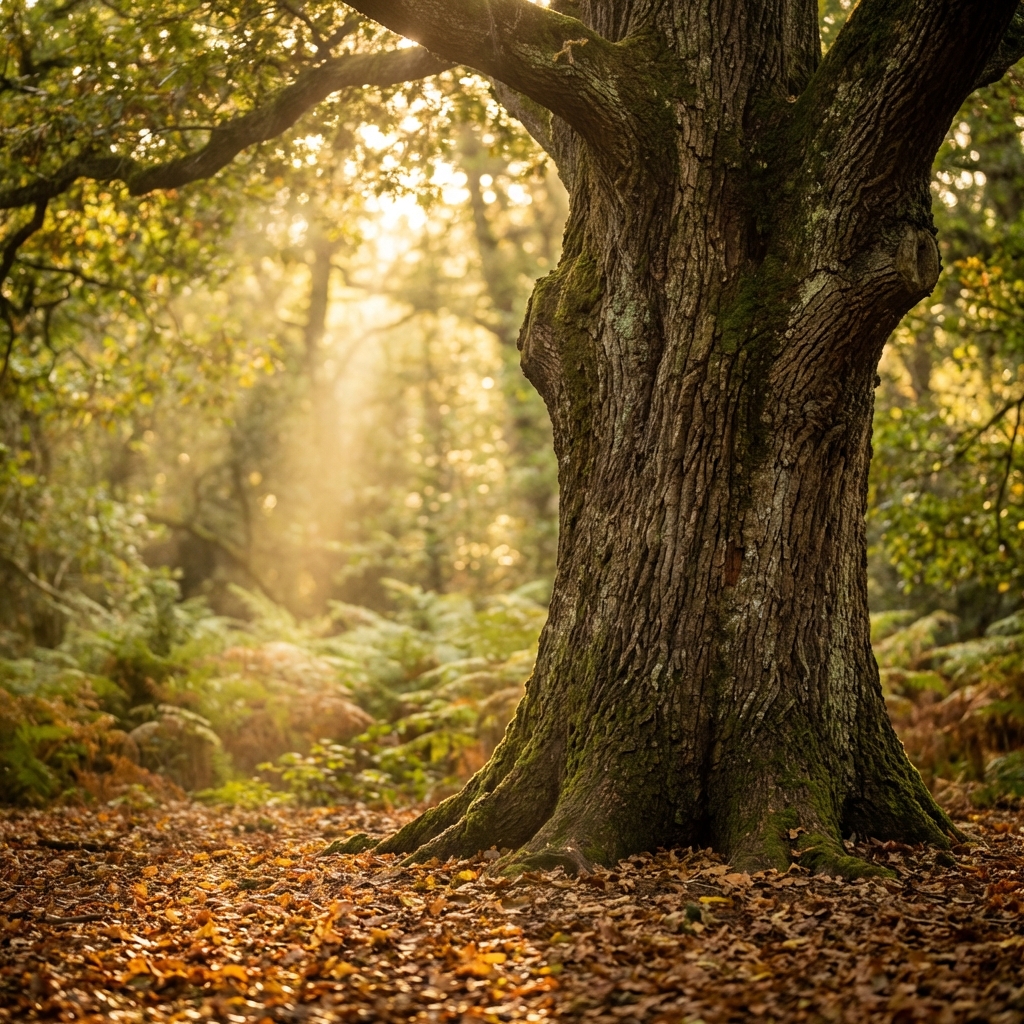
When you buy a plot, the trees are saplings. When you sell 7-10 years later, you are selling an **Established Orchard**. A secondary buyer is often willing to pay a massive premium to bypass the "waiting period" and move directly into a revenue-generating, shaded oasis.
2. Proximity to Infrastructure
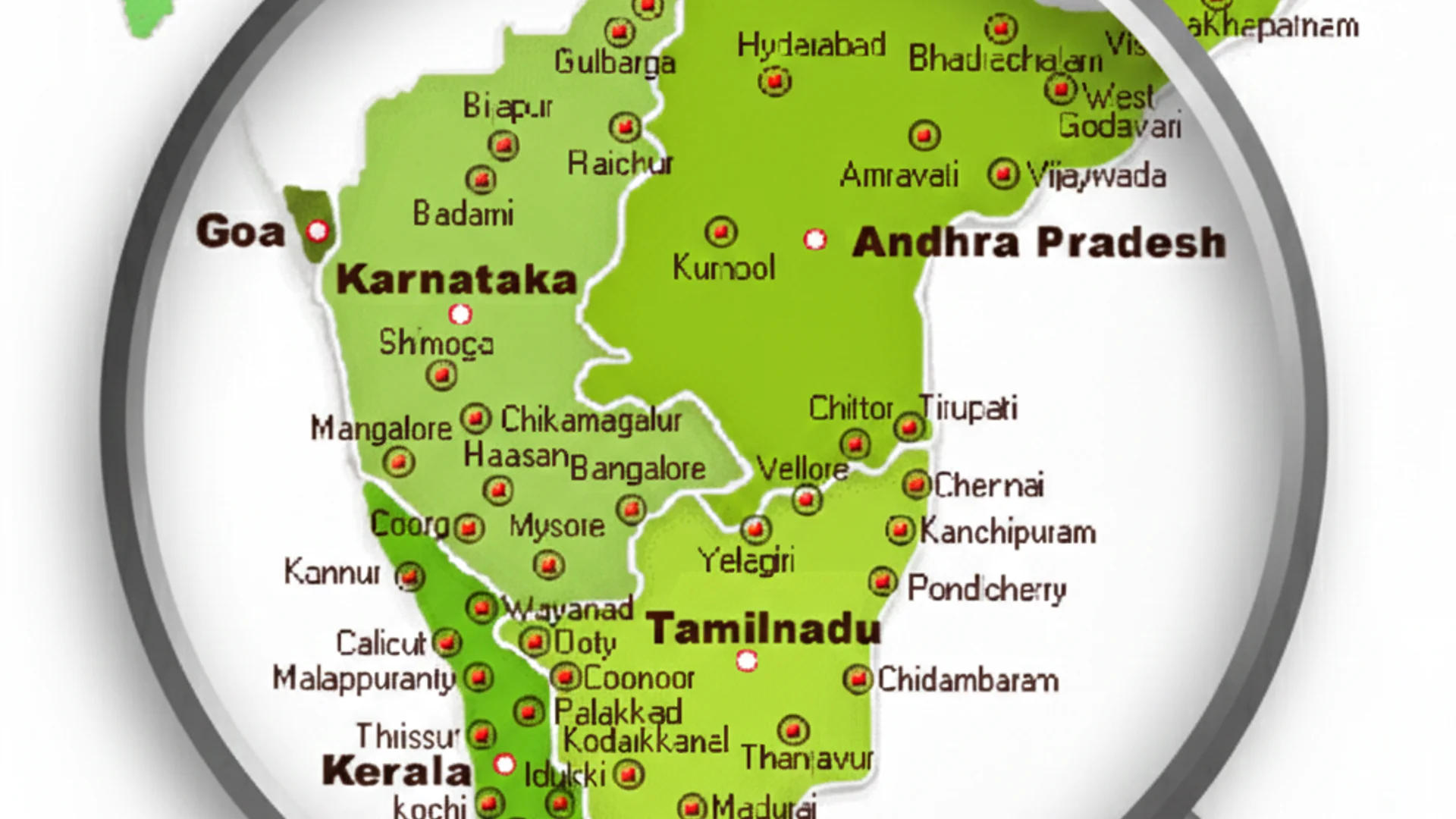
As Bangalore expands, the "Little England" corridor of Hosur-Thalli is moving from "Rural" to "Ex-Urban." Future infrastructure, like the Peripheral Ring Road and the Hosur Airport expansion, act as massive boosters for land prices in these projects.
3. The Power of Brand and Scarcity
There is only a finite amount of "Title-Clear, Managed Land" available at a reasonable distance from the city. Because One Acre Farms only develops high-quality, legally bulletproof projects, owning a plot with our management seal of approval carries inherent value in the secondary market. You can see how our commitment to legal transparency compares to the rest of the market in our deep dive on how to compare managed farmland developers in Bangalore.
The Mathematics of Demand: Why Prices Rise
Secondary market pricing is ultimately governed by supply and demand. The supply of agricultural land within a 90-minute commute to Bangalore is strictly finite. Every year, as infrastructure expands, developers acquire more of this land and convert it into residential layouts or commercial zones, further shrinking the pool of available green space.
Simultaneously, the demand is exponentially increasing. The pandemic changed how many Bangalore families think about space. There is a growing realization that true luxury isn't a penthouse in a polluted skyline, but rather a secure, private acre of breathing room. When a developer launches a new premium project, the early-bird inventory is often absorbed within weeks by existing clients and their networks.
When a secondary buyer discovers the project 18 months later, the primary inventory is gone. They have no choice but to enter the secondary market. This constrained supply meeting high-intent demand is what allows early investors to dictate favorable premium pricing, especially in projects designed for rapid equity growth like the Countryside Farm Retreat.
Case Study: The 3-Year Liquidity Scenario
Let’s construct a realistic 3-year exit model for an investor who purchased a managed plot during a pre-launch phase. Assume an entry price of ₹45 Lakhs. During the first 36 months, the core infrastructure (roads, clubhouses, water lines) is completed, and the initial saplings grow into an established canopy. The "Development Risk" has been entirely removed from the equation.
A secondary buyer views the property. They are not buying a "promise"; they are buying a physical reality that they can touch and experience immediately. Because the risk profile is now essentially zero, the buyer is willing to pay a "Maturity Premium."
In our historical models, this de-risked asset often trades at a 40% to 60% premium over the initial launch price within that 3-year window. The seller realizes a strong short-term capital gain, while the new buyer secures immediate utility and the future upside of the maturing timber. It is a win-win transaction facilitated by the managed ecosystem.
The Exit Strategy Playbook
If you decide to sell your managed acre, here is how to maximize your return:
The 'Luxury' Premium: Aesthetics as a Value Driver
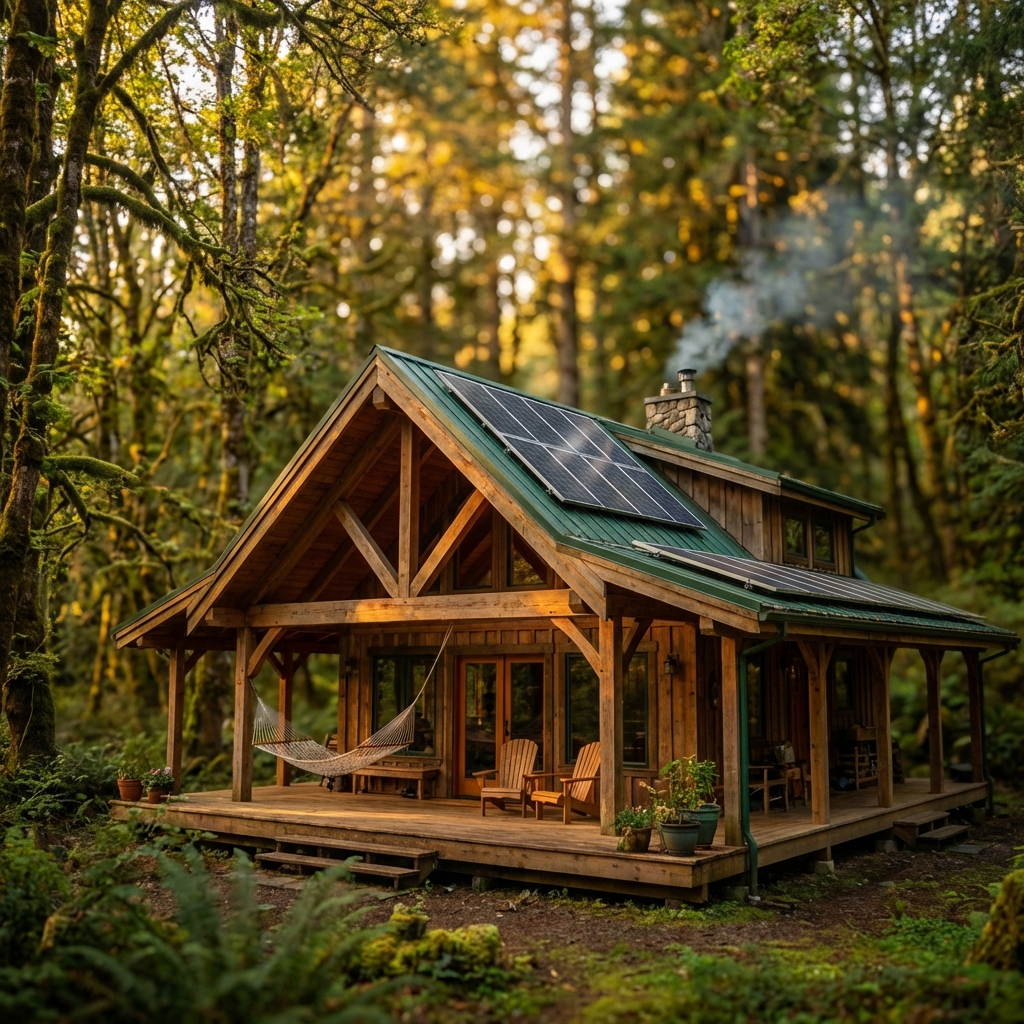
Buyers of managed farmland near Bangalore aren't just looking for soil health; they are looking for a specific lifestyle. A farm with mature, well-curated aesthetics—winding trails, shaded groves, and a beautiful Net-Zero Farmhouse—will sell for 30-40% more than a raw plot of the same size.
We treat "Beauty" as a financial metric. By investing in the visual appeal of our projects today, we are embedding a future premium into your exit price. This is particularly evident in our Retreat Habitats, where the landscape design is as intentional as the agricultural plan.
Legal Friction: The Last Barrier to Exit
The final hurdle in any land exit is the transfer process. Many sales fall through at the last minute because of missing historical records or unclear mutation chains.
Because we handle the technical documentation history of every acre under our management, we remove this friction. We ensure that your "Paper Asset" is as clean as your "Physical Asset," making you the most attractive seller in the market. This structural clarity is essential for smooth Succession Planning and exit execution.
The 'Partial Exit' Model
Remember, you don't always have to sell the land to realize value. Through our **Harvest Sharing** model at Vriksha Farms, you are receiving an "Annual Exit" in the form of your share of the crop profits. For many, this periodic yield is more attractive than a total capital exit.
Conclusion: Investing with Clarity
An investment is only successful if you can walk away from it with more than you started. By choosing a managed habitat, you are ensuring that your land is "Resale Ready" from day one. It's not just a plot of earth; it it a standardized, pre-verified, and high-performance asset that the market will always value.
Discuss Your Exit Options
Want to understand how resale works on a managed farm? Connect with our resale team for a transparent discussion.
Explore More Farm Opportunities
- For a complete overview, read our what farmland costs near Bangalore.
- managed farmland plots near Bangalore
- Discover your ideal rural escape with our farmland plots in Doddaballapur.
- Deepen your research by exploring our.
Frequently Asked Questions
Myth vs. Reality
"I have to find a buyer myself."
"Farmland takes 2 years to sell."
"Transferring agricultural land is too legally complex for an exit."
Interested in owning farmland?
Schedule a free site visit to explore our managed farmland projects near Bangalore.