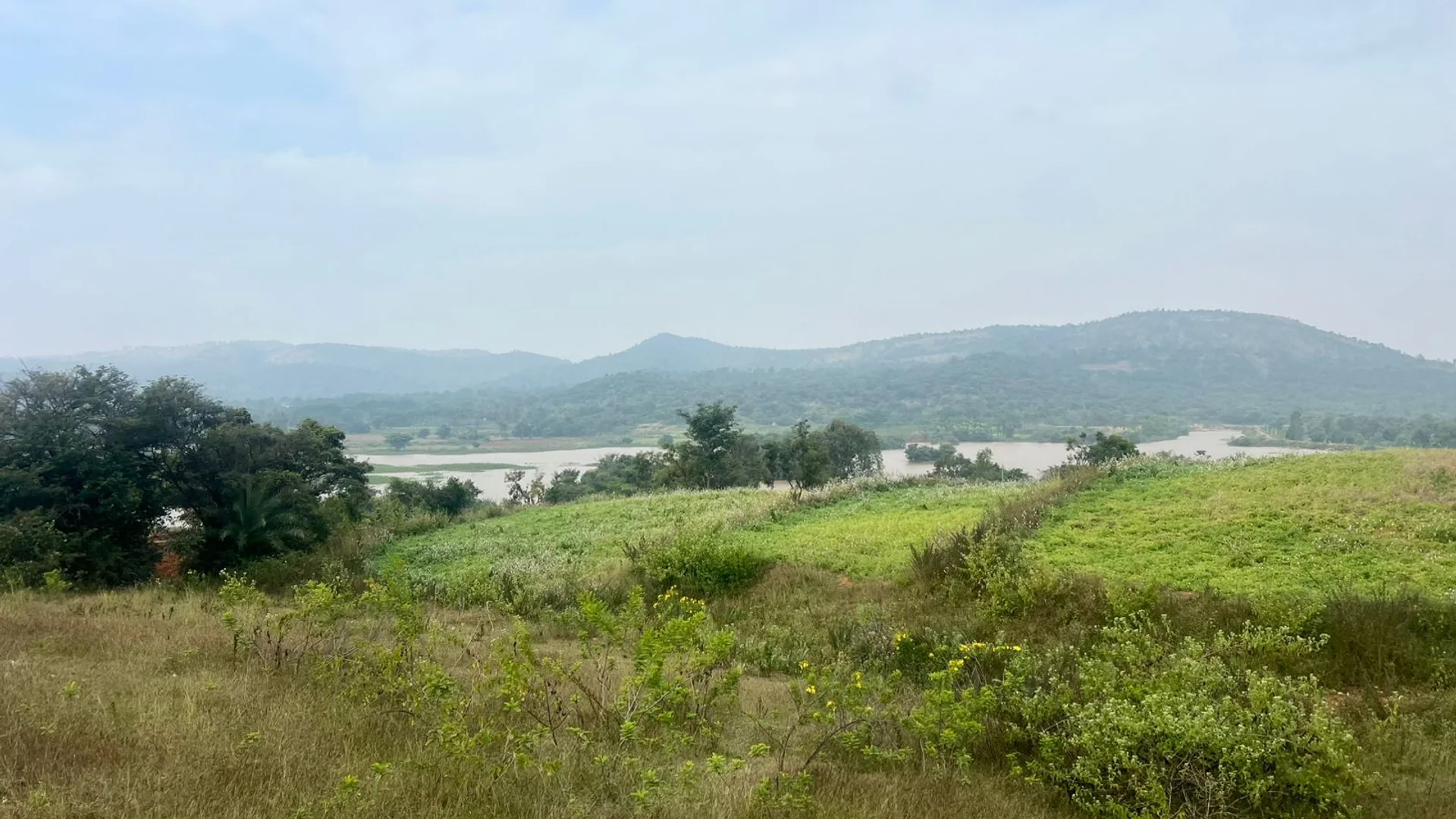
Investment landscapes are shifting. The volatility of the stock market and the saturation of urban real estate have pushed astute investors toward a timeless asset: land. But not just any land—productive agricultural land on the fringes of India's Silicon Valley. This guide is your definitive roadmap to navigating the complex yet rewarding world of farmland investment near Bangalore.
Chapter 1: The macroeconomic Case
Why Bangalore? Why now? The answer lies in the convergence of three trends:
- Infrastructure Explosion: The Satellite Town Ring Road (STRR) and the Bengaluru-Chennai Expressway are unlocking vast swathes of hinterland, turning distant villages into accessible suburbs.
- Food Security: As supply chains become fragile, owning the source of food production is the ultimate hedge against inflation.
- Post-Pandemic Priorities: The "Work from Anywhere" culture has made the weekend farm home a practical reality for tech professionals.
Chapter 2: What You Are Actually Buying
Farmland investment offers a dual-engine return structure that unique among asset classes.
1. The Land
Land is a finite resource. In high-growth corridors like Hosur-Denkanikottai or Chikkaballapura, land prices have risen over the last decade.
2. Agricultural Yield
This is where "Managed Farmland" shines. By planting high-value timber and fruits, the land pays for itself.
When evaluating land, it's also essential to understand regional measurements. Our Land Unit Converter helps you quickly translate Guntas to Acres and Square Feet, ensuring you know exactly what you're buying.
Agricultural Income and Tax
Unlike rental income from urban real estate, which is added to your primary income and taxed (potentially up to 30%), revenue derived directly from agricultural operations is generally exempt from income tax in India under Section 10(1). This tax arbitration means that a 15% pre-tax return on farmland is mathematically superior to a 15% pre-tax return in the stock market.
In our managed models, the harvest distribution is completely transparent. As timber and short-term crops mature, the central management team handles the B2B sale of the produce and credits the revenue directly to the plot owners, creating a truly passive, tax-efficient income stream. We explore this deeply in our flagship developments like the Hilltop Farm Retreat.
Chapter 3: The Zone of Certainty: Why Thalli & Denkanikottai?
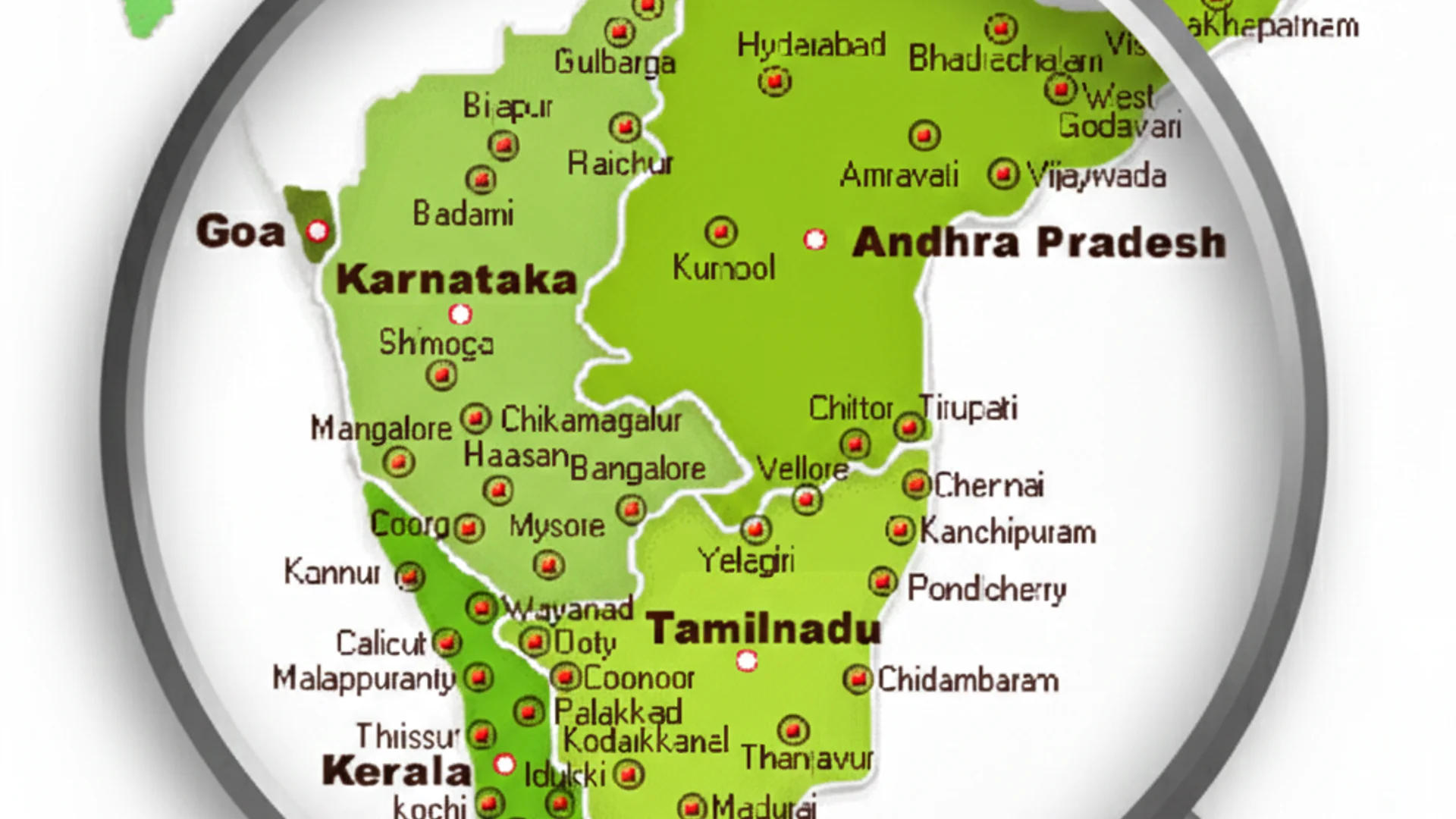
While "Near Bangalore" covers a massive radius, not all corridors are created equal. The northern belt towards the airport is heavily speculative with rapidly depleting ground water. We focus almost exclusively on the South-East corridor towards Hosur, Thalli, and Denkanikottai.
Referred to historically as "Little England," this high-altitude plateau enjoys a temperate micro-climate, superior historical rainfall, and deep, fertile red soil. A prime example of this geographical advantage is the Countryside Farm Retreat.
Chapter 3: The Legal Minefield (And How to Cross It)
Karnataka and Tamil Nadu have distinct laws regarding farmland ownership.
In Karnataka:
Recent amendments to the Land Reforms Act (2020) have arguably opened up farmland purchase to non-agriculturists. However, Section 79 A&B restrictions historically applied. It is crucial to check the current status and whether the land has been "converted" for farmhouse use if you plan to build immediately.
In Tamil Nadu (Hosur/Denkanikottai):
Tamil Nadu has generally been more open, allowing Indian citizens to purchase agricultural land. Land ceiling limits still apply; your situation is confirmed on a call. The key documents to verify include:
- Patta: The revenue record verifying current ownership.
- Chitta/Adangal: Documents detailing the land's extent, classification (Nanjai/Punjai), and crops grown.
- DTCP Approval: If you are buying in a layout, check if it has the necessary layout approvals, though strictly agricultural land doesn't need DTCP unless converted for housing layouts.
Chapter 4: The Lifestyle Dividend
Beyond the spreadsheet, there is the soul. A farm is a legacy. It is where your children learn that milk doesn't come from a carton and carrots don't grow in plastic bags. It is a sanctuary for mental health, offering a "Digital Detox" that is increasingly precious.
Living on a farm—even for weekends—reconnects you with the circadian rhythms of nature. The air is cleaner (AQI usually < 50 vs Bangalore's 150+), the food is fresher, and the silence is deeper.
Conclusion
Farmland near Bangalore asks for patience and the right partner to run the farm work.
At One Acre Farms, we provide that partnership. We turn raw land into thriving farms.
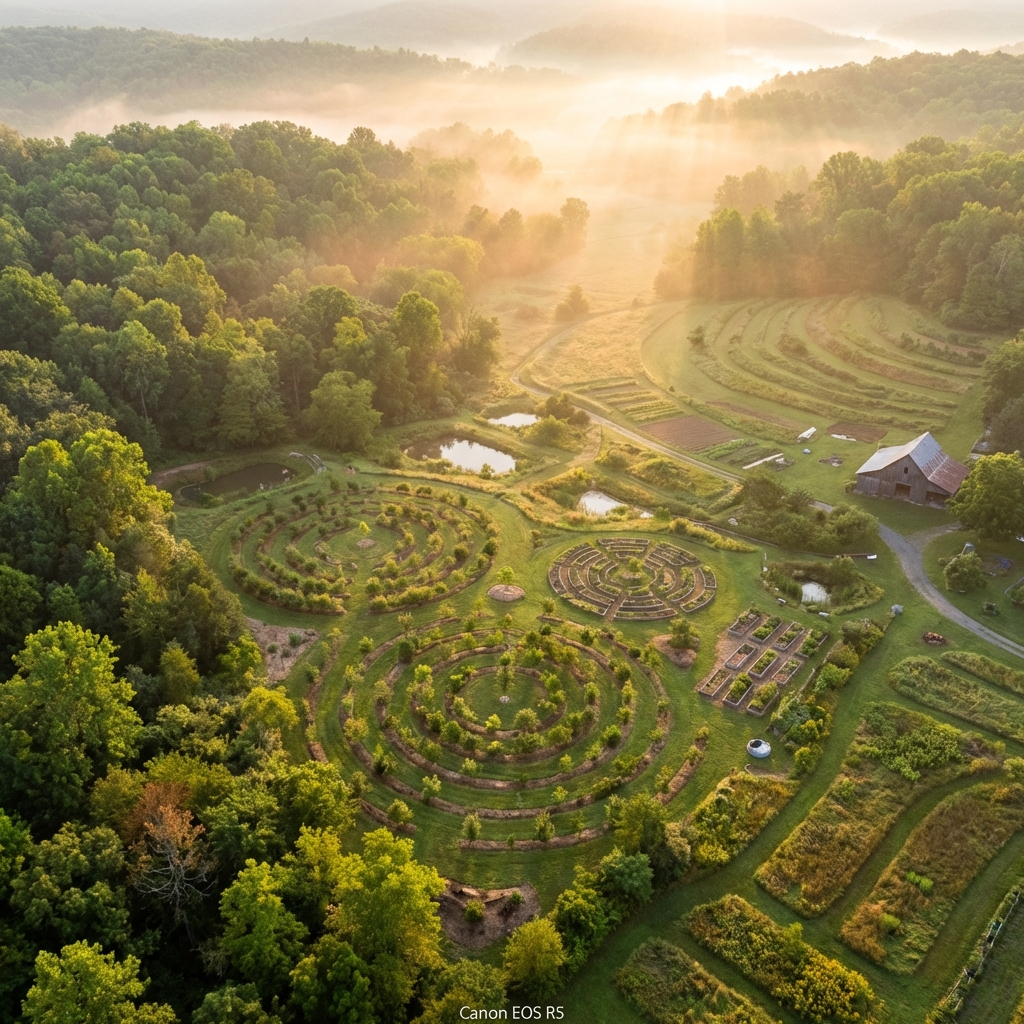
Explore Our Managed Projects
From Hosur to Kanakapura, we curate the finest managed farmland opportunities for the modern urban investor.
Explore More Farm Opportunities
- For a complete overview, read our legal guide to buying farmland in Karnataka and Tamil Nadu.
- Terracing The Deccan
- Discover your ideal rural escape with our North Bangalore farmland.
- Deepen your research by exploring our farmland plots in Doddaballapur.
Frequently Asked Questions
Myth vs. Reality
"Farming doesn't make money."
"I can't resell agricultural land."
"It's too far from the city."
Disclaimer: Farmland investment involves market risks, including biological and climatic factors. Please consult with a financial advisor before making significant investment decisions.
Interested in owning farmland?
Schedule a free site visit to explore our managed farmland projects near Bangalore.