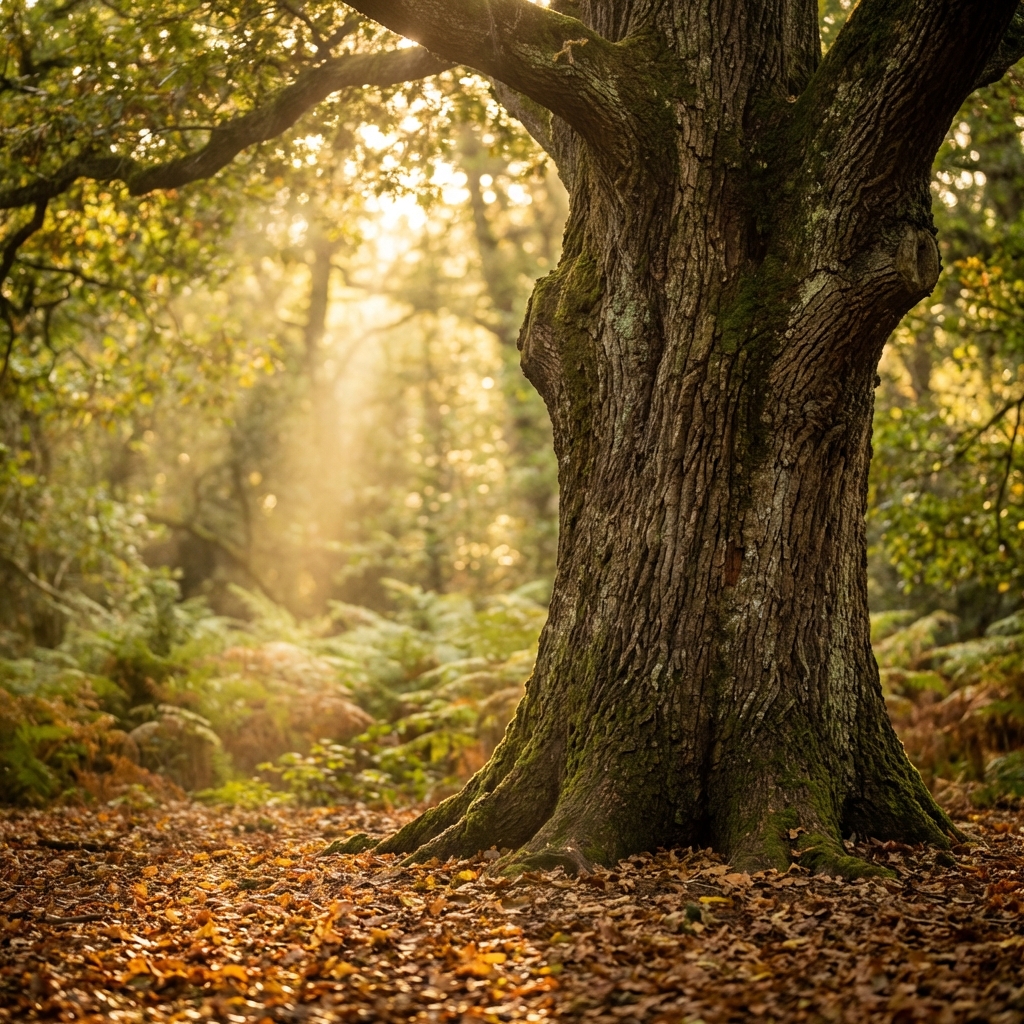
Known as "Liquid Gold," Sandalwood (Santalum album) is one of the most valuable trees in the world. For farm owners near Bangalore, it is a long-cycle tree that rewards patience.
The Lure of Indian Sandalwood
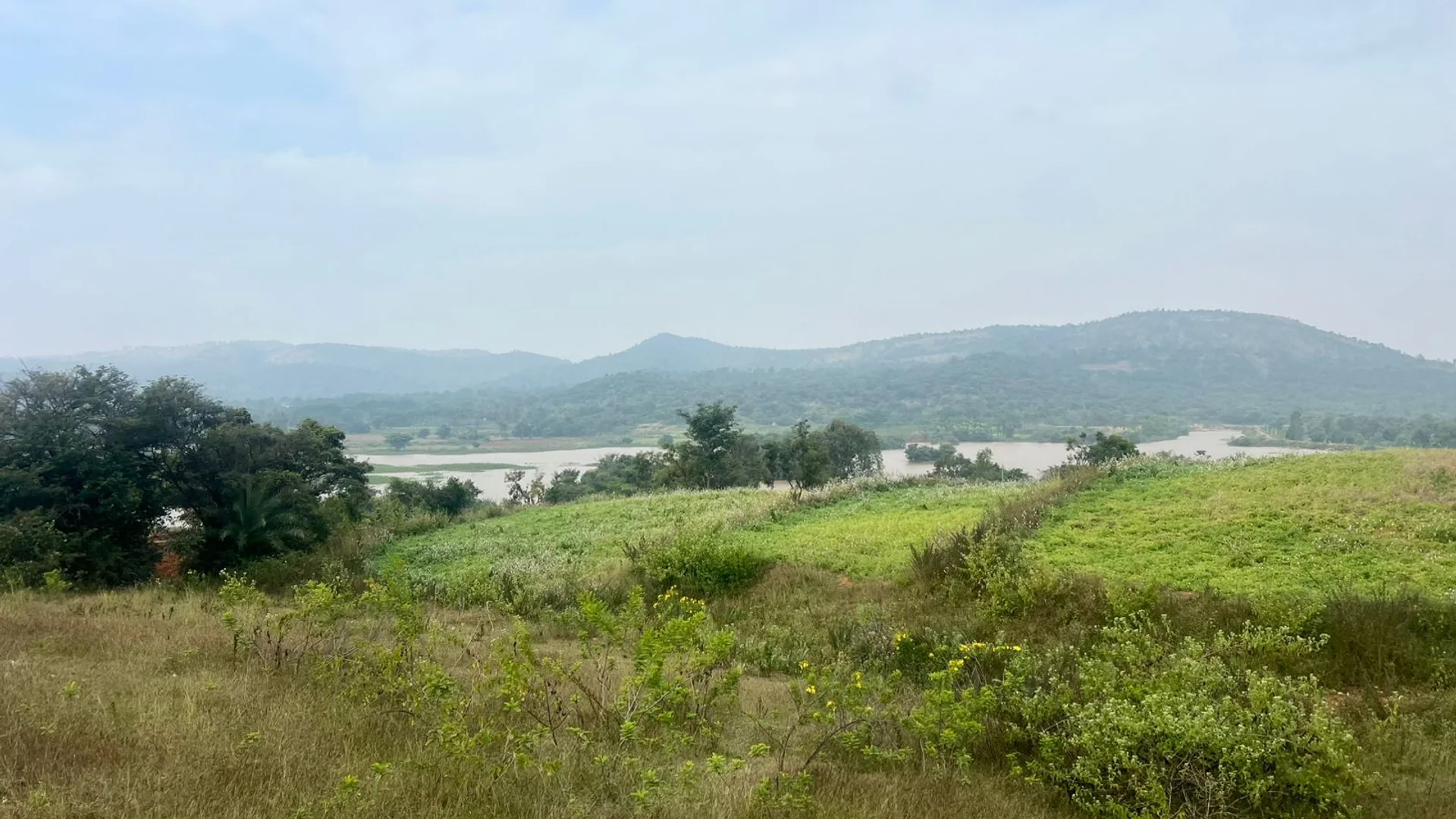
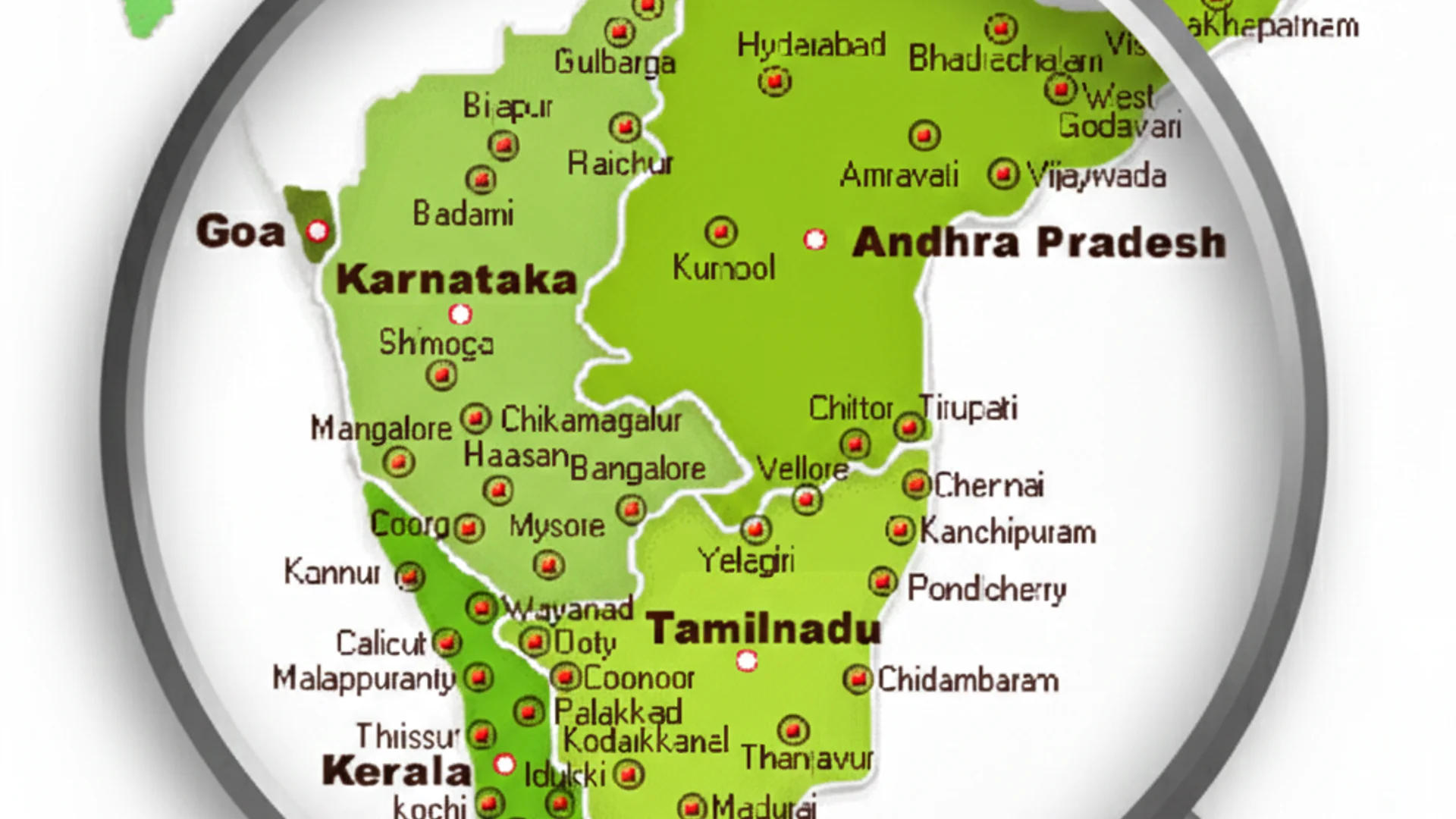
Indian Sandalwood is legendary for its fragrant heartwood and essential oil. Historically, its cultivation was strictly controlled by the government, but recent policy changes in Karnataka have made it possible for private landowners to grow and profit from this majestic tree. The Bangalore region, with its well-drained red soil and favorable climate, is part of the natural home of the Santalum album.
Investing in sandalwood is a test of patience, but the rewards are unparalleled. A single mature tree can be worth lakhs of rupees, making a one-acre plantation a multi-crore asset over a 15-year horizon.
Featured Opportunity: Sandalwood Grove Managed Farm
Don't wait 15 years to see growth. Our Sandalwood Grove project features professionally managed plantations with advanced security and drip irrigation.
View Project DetailsThe Science of Semi-Parasitism
Unlike most trees, Sandalwood is a semi-parasite. It has specialized roots called haustoria that attach to the roots of nearby "host" plants to draw nutrients and water. This means you can't grow sandalwood in a monoculture; it needs a diverse ecosystem to survive.
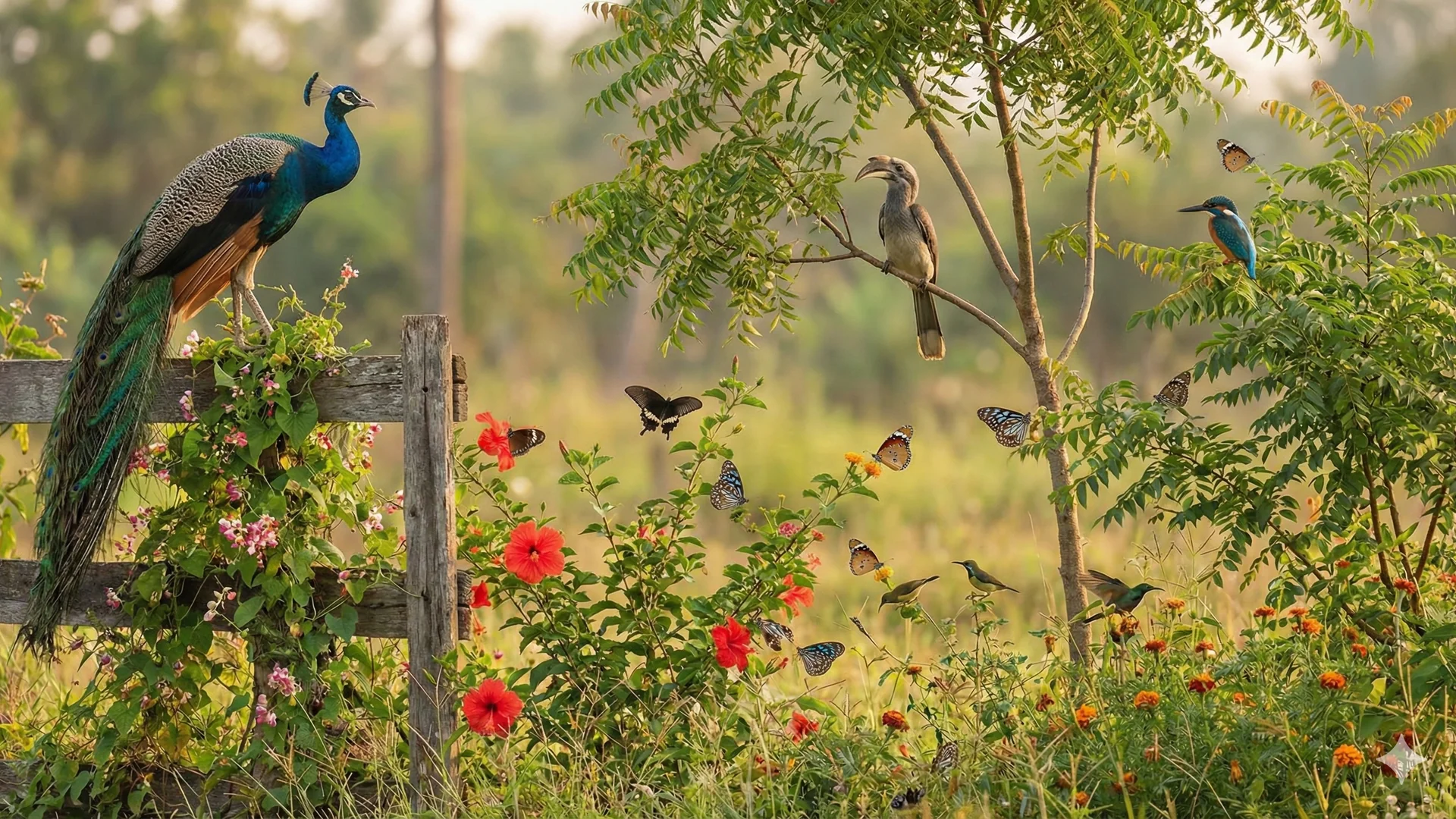
This biological requirement makes it perfect for permaculture. We plant Sandalwood alongside primary hosts like Pigeon Pea (Tur), Red Bead Tree (Adenanthera pavonina), and secondary hosts like Mango or Neem. This creates a multi-layered, productive farm where the host plants provide secondary income while the Sandalwood matures.
Model Your Returns & Units:
Cultivation Requirements
- Soil: Well-drained red loamy soil with a pH between 6.0 and 7.5. Waterlogging is the biggest enemy of Sandalwood.
- Climate: Moderate rainfall (500-1500mm) and plenty of sunlight. The Bangalore outskirts are ideal.
- Watering: Drip irrigation is essential in the first 3-5 years. Once established, they are reasonably drought-tolerant.
- Host Plants: A mix of short-term and long-term hosts is critical for the tree's health and heartwood formation.
The Legal Framework in Karnataka
The Karnataka Forest Act now allows private individuals to grow sandalwood trees on their land. However, you must register the plantation with the Forest Department. When it's time to harvest, the Forest Department oversees the cutting and transport, and the wood is typically sold through government depots or authorized agencies.
At One Acre Farms, we handle the registration and compliance for you. We ensures that your "liquid gold" is fully documented and legally secure from day one.
The Market for Sandalwood
The global demand for sandalwood oil and wood far outstrips the supply. This permanent deficit ensures high prices. A 15-year-old tree can yield 15-20kg of heartwood. Sandalwood is a tree you plant for your children's generation as much as your own.
A farm with a maturing sandalwood plantation is significantly more valuable than a bare plot, providing exit options at various stages of the tree's growth.
Security: Protecting Your Investment
Because of its high value, sandalwood theft is a concern. This is why the managed farm model is so critical for sandalwood cultivation. Attempting to grow a few trees on an un-guarded plot is risky.
One Acre Farms provides 24/7 security, high-quality perimeter fencing, and community monitoring. We protect your investment so you can sleep soundly while your forest grows.
Plant Your Legacy Today
Sandalwood is more than a crop; it's a gift to your future self and your children. Explore our sandalwood-focused project and start your cultivation journey.
Explore More Farm Opportunities
- The Evolution Of Farm Communities
- Discover your ideal rural escape with our managed farmland around Bangalore.
- Deepen your research by exploring our Hosachiguru vs One Acre Farms.
Myth vs. Reality
"Sandalwood takes 20 years to harvest."
"The government will confiscate it."
"Trees don't need maintenance."
Disclaimer: Farmland investment involves market risks, including biological and climatic factors. Please consult with a financial advisor before making significant investment decisions.
Interested in owning farmland?
Schedule a free site visit to explore our managed farmland projects near Bangalore.