What if your farm earned money just by existing? As the world pivots toward climate action, the very act of growing trees and building soil is becoming a tradable commodity.
The Invisible Yield
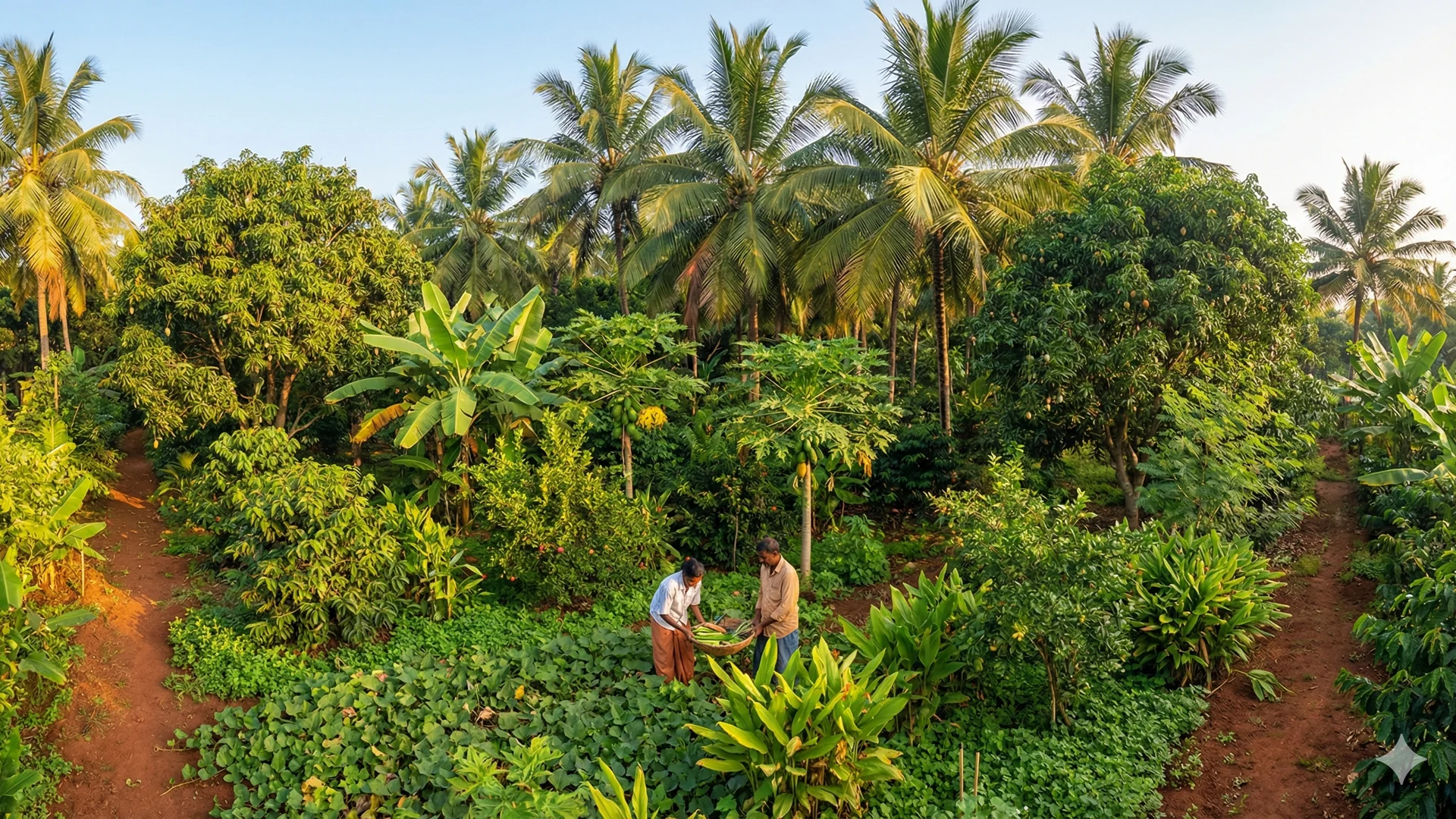
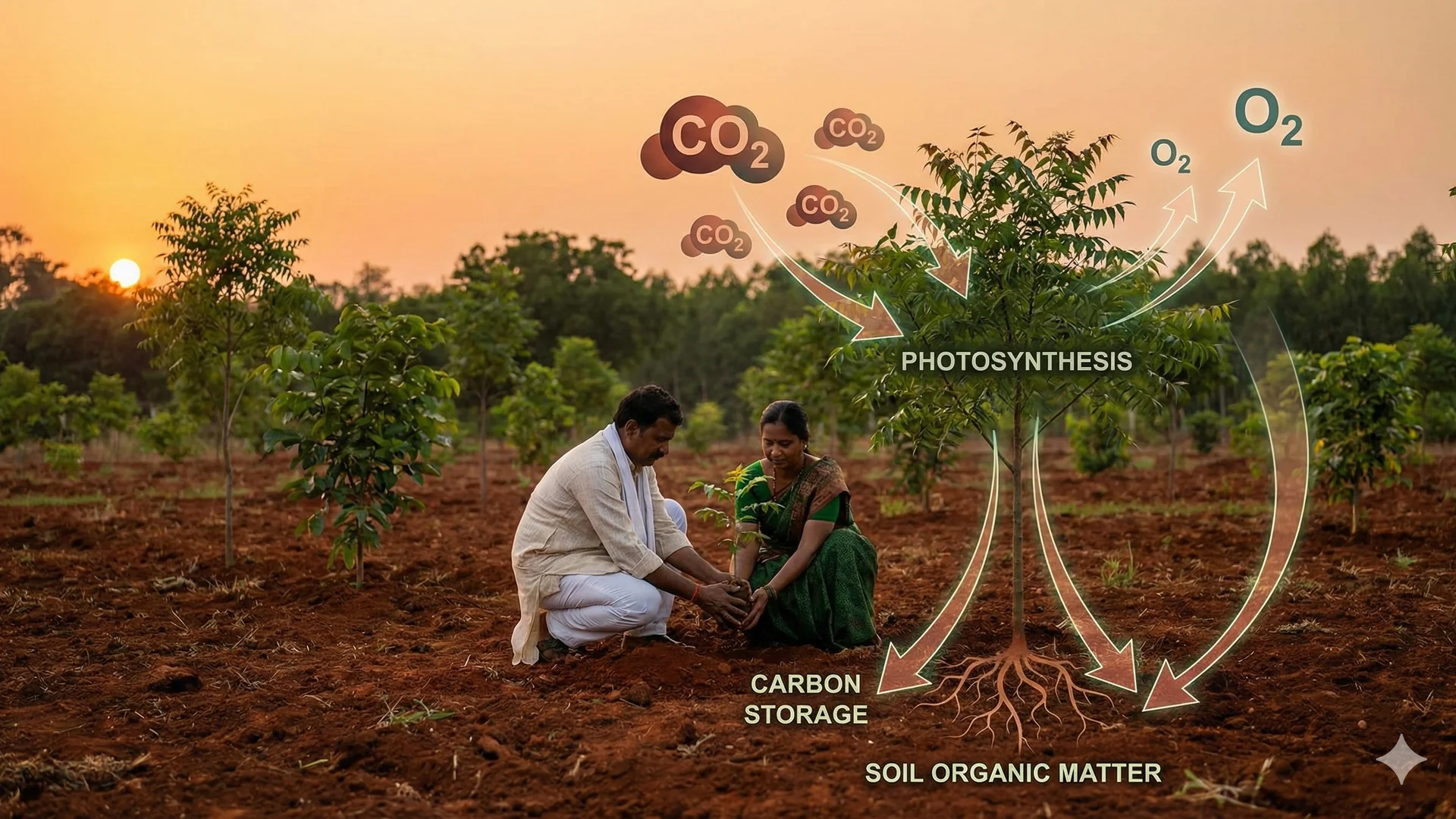
For years, the revenue from a farm was measured in kilos of fruit or cubic feet of timber. But a new form of yield is emerging: **Carbon Sequestration.** Every tree you plant and every inch of topsoil you regenerate through our permaculture practices is actively sucking CO2 out of the atmosphere.
Global corporations are increasingly hungry for high-quality, verifiable carbon offsets. This has created a new market where your managed acre could become a source of "Green Revenue."
Vriksha: The Regenerative Standard
Our Vriksha projects are built on regenerative principles that maximize carbon capture. Invest in an asset that future markets will value.
Explore Regenerative PlotsHow Carbon Credits Work for You
1. Measurements and Baseline
The first step is establishing a baseline. How much carbon is your land currently storing? At One Acre Farms, we utilize soil testing and biomass mapping to track the growth of your "Natural Capital." As your orchard matures and your soil organic matter increases, you are "earning" carbon credits.
2. Verification (The 'Proof' Layer)
To sell carbon credits, the sequestration must be verified by a third-party standard. This is where the **Managed Model** is essential. An individual one-acre owner cannot afford the cost of professional verification. But by grouping hundreds of acres under our management, we can perform collective verification, making it economically viable for every owner to participate.
3. The Carbon Marketplace
Once verified, these credits are listed on global or regional carbon exchanges. When a company buys these credits to offset their own footprint, the revenue travels back to the land owners. This creates a "subscription-like" income stream for doing exactly what you were already doing: letting your farm grow.
Why Permaculture is the Secret Ingredient
Traditional monoculture farming actually releases carbon through tilling and chemical use. Permaculture, however, is **Carbon Negative.**
The Voluntary Carbon Market (VCM)
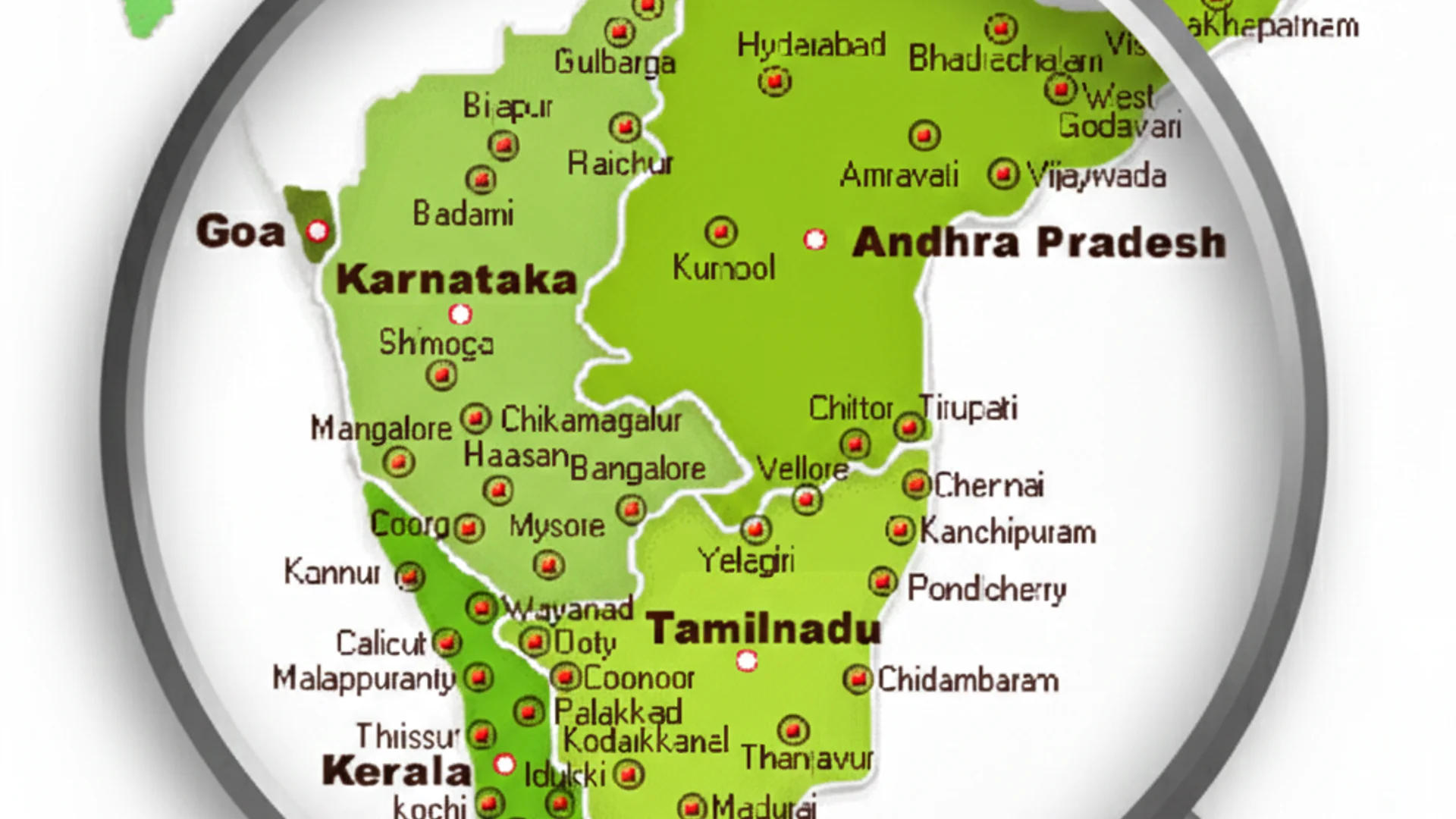
The "Voluntary" market is where most farmland owners will operate. It allows private entities to purchase credits to meet their internal sustainability goals. In the Krishnagiri and Bangalore rural regions, we are seeing a surge in interest from tech companies looking to offset their data-center energy consumption by supporting local, regenerative farm projects.
By owning an acre that is part of a verified Vriksha carbon pool, you aren't just selling "offsets"; you are selling a story of local impact. This hyper-local demand ensures that your green revenue is decoupled from global oil prices or stock market volatility, as explained in our Climate-Resilient Investment Strategy.
Biodiversity Credits: The Next Frontier
While carbon is the current buzzword, "Biodiversity Credits" are the next frontier. This model pays land owners for protecting or restoring native flora and fauna.
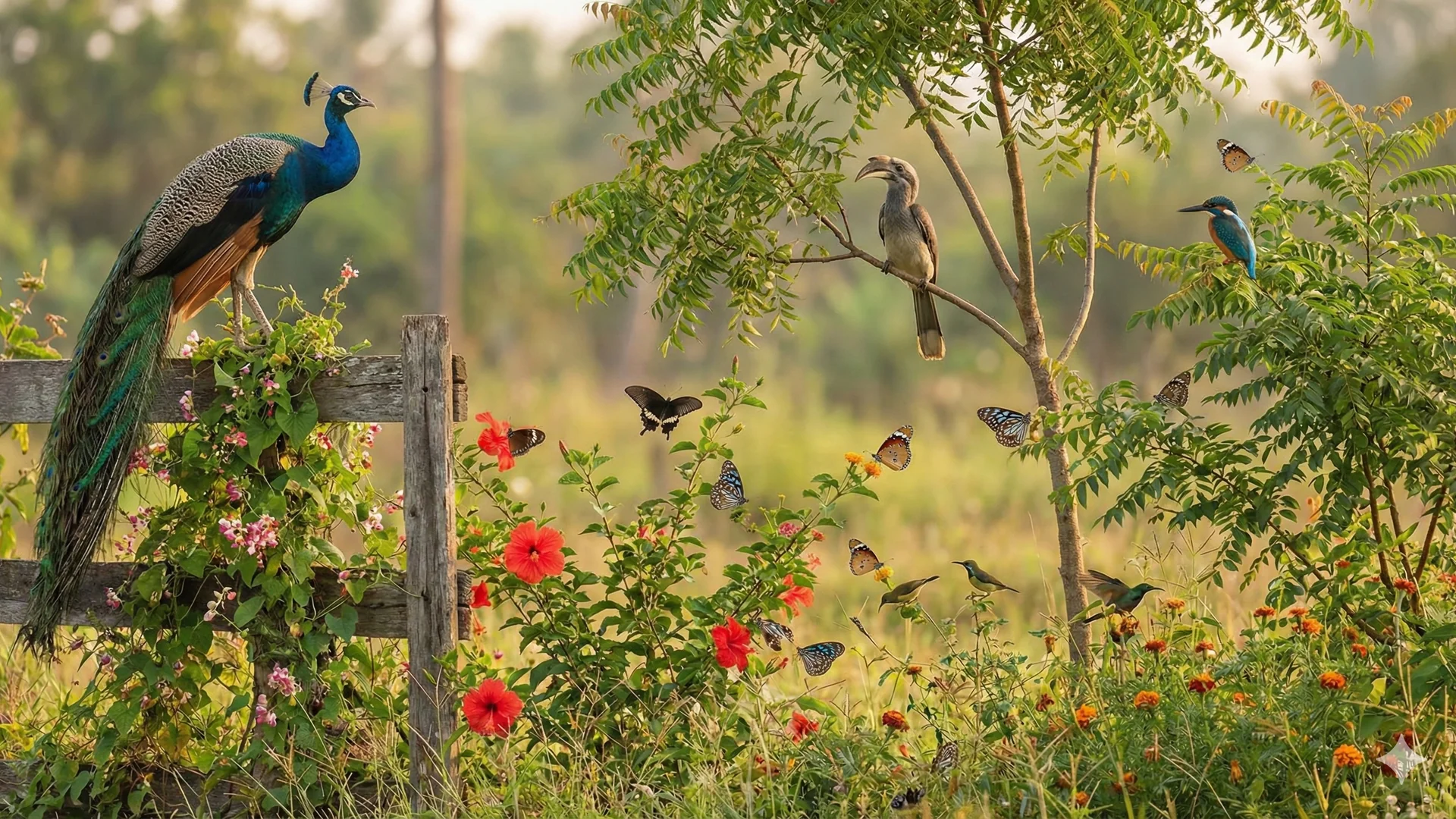
Every rare butterfly, every native bird species, and every thriving pollinator colony on your farm adds to its "Biodiversity Index." In the future, this index will be a tradable financial instrument, much like the carbon credit is today. You are essentially building a portfolio of biological dividends that will pay out for the rest of your life.
The Future: ESG and Farmland
We are moving toward a world where the "ESG" (Environmental, Social, and Governance) score of an investment is just as important as its cash yield. Managed farmland with a verifiable carbon positive status will become a "Triple-Bottom-Line" asset—good for your portfolio, good for the planet, and good for your legacy.
Conclusion: The Dawn of Green Finance
We are only at the beginning of the carbon revolution. By owning a managed acre today, you are positioning yourself at the forefront of a new financial era. You aren't just a farm owner; you are a guardian of the climate. And for the first time in history, the market is getting ready to pay you for it.
Invest in the Green Economy
Want to know more about the projected carbon sequestration capacity of a specific Vriksha project? Connect with our sustainability team for a deep-dive.
Explore More Farm Opportunities
- For a complete overview, read our permaculture farming near Bangalore.
- Hobby Farming Vs. Managed Farming
- Legacy Planning
- Deepen your research by exploring our premium farmland near Bangalore.
Myth vs. Reality
"I can sell credits from my backyard."
"Carbon credits are just a 'fad'."
"It takes away from my food production."
Continue Your Research
- Managed vs Regular Farmland — Why managed land outperforms raw agricultural plots
- managed farmland around Bangalore — Full guide on farmland returns and income streams
- managed farmland for sale near Bangalore — Currently open for investment
Interested in owning farmland?
Schedule a free site visit to explore our managed farmland projects near Bangalore.