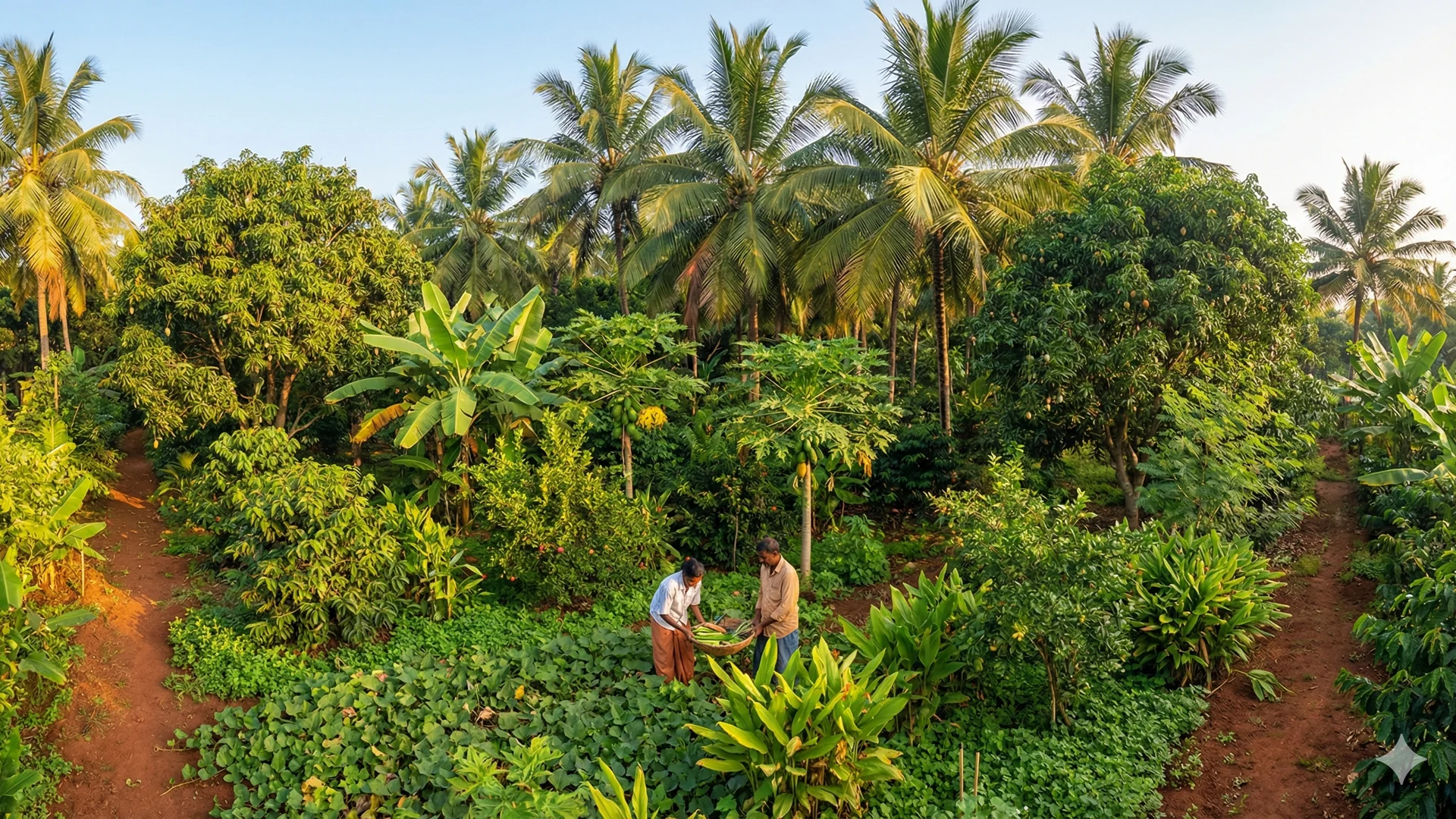
In the heart of Bangalore's concrete expansion, a quiet revolution is taking root. It's not happening in vast rural fields, but in 30x40 plots, on sun-drenched terraces, and in the small backyards of suburban homes. This is the rise of the Urban Food Forest—a dense, multi-layered system of edible abundance that proves you don't need acres of land to grow your own ecosystem.
Moving Beyond the Lawn: The Case for Edible Landscapes
For decades, the standard for urban landscaping in Bangalore has been the manicured lawn and ornamental palms. While aesthetically pleasing, these monocultures require immense amounts of water, chemical fertilizers, and labor, yielding nothing but clippings. An Urban Food Forest flips this script. It mimics the architecture of a natural forest but replaces non-edible species with fruit trees, berry bushes, perennial vegetables, and medicinal herbs.
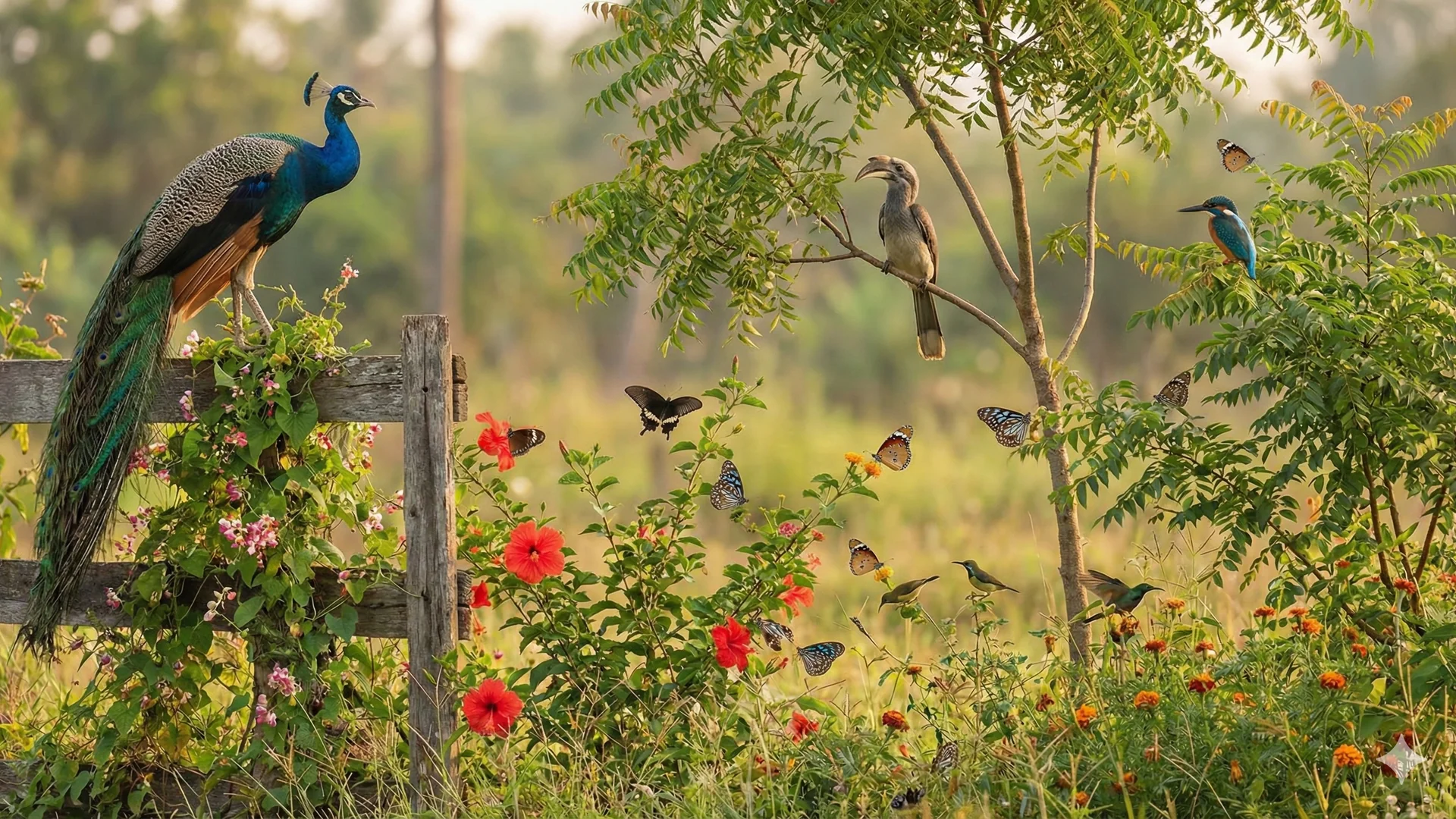
The result is a landscape that is not only beautiful—lush with greenery and vibrant with pollinators—but also productive. It cools your home, captures rainwater, builds soil health, and puts fresh, organic food on your table every single day.
The Seven Layers of a Food Forest
The secret to high productivity in small spaces is vertical stacking. A food forest doesn't just grow out; it grows up. By occupying every vertical niche, you can grow 5 to 10 times more food than a traditional row garden.
1. The Canopy (High Layer)
In a small plot, these are your dwarf fruit trees like Mango (Amrapali), Jackfruit (Gumless), or Avocado. They provide the dappled shade necessary for the layers below.
2. The Understory (Low Tree Layer)
Smaller trees that thrive under the canopy. Pomegranate, Guava (Allahabad Safeda), and Custard Apple are perfect for Bangalore's climate.
3. The Shrub Layer
Woody perennials like Hibiscus (for tea), Curry Leaf, and various berry bushes fill the gaps between trees.
4. The Herbaceous Layer
Soft-stemmed plants that die back or cover the ground. Think Lemongrass, Turmeric, Ginger, and Holy Basil (Tulsi).
Beyond these, we have the Ground Cover (Creeping Spinach/Brahmi) to protect soil, the Rhizosphere (Sweet Potato/Tapioca) for root yields, and the Vertical Layer (Passion Fruit/Winged Bean) to climb up fences and tree trunks.
Designing for Bangalore's Climate
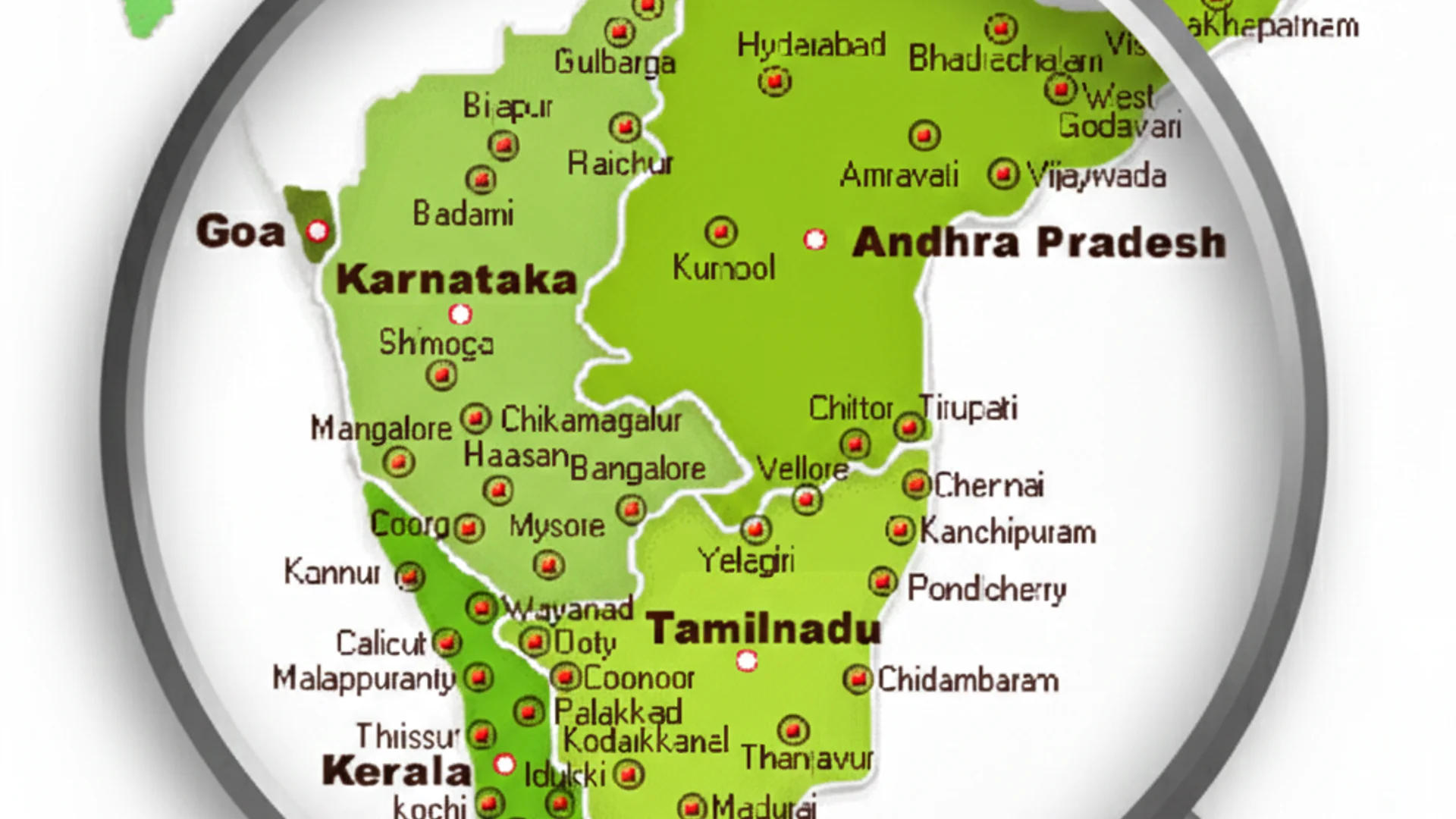
Bangalore's unique semi-arid tropical climate means we have distinct wet and dry seasons. Your food forest must be resilient to both.
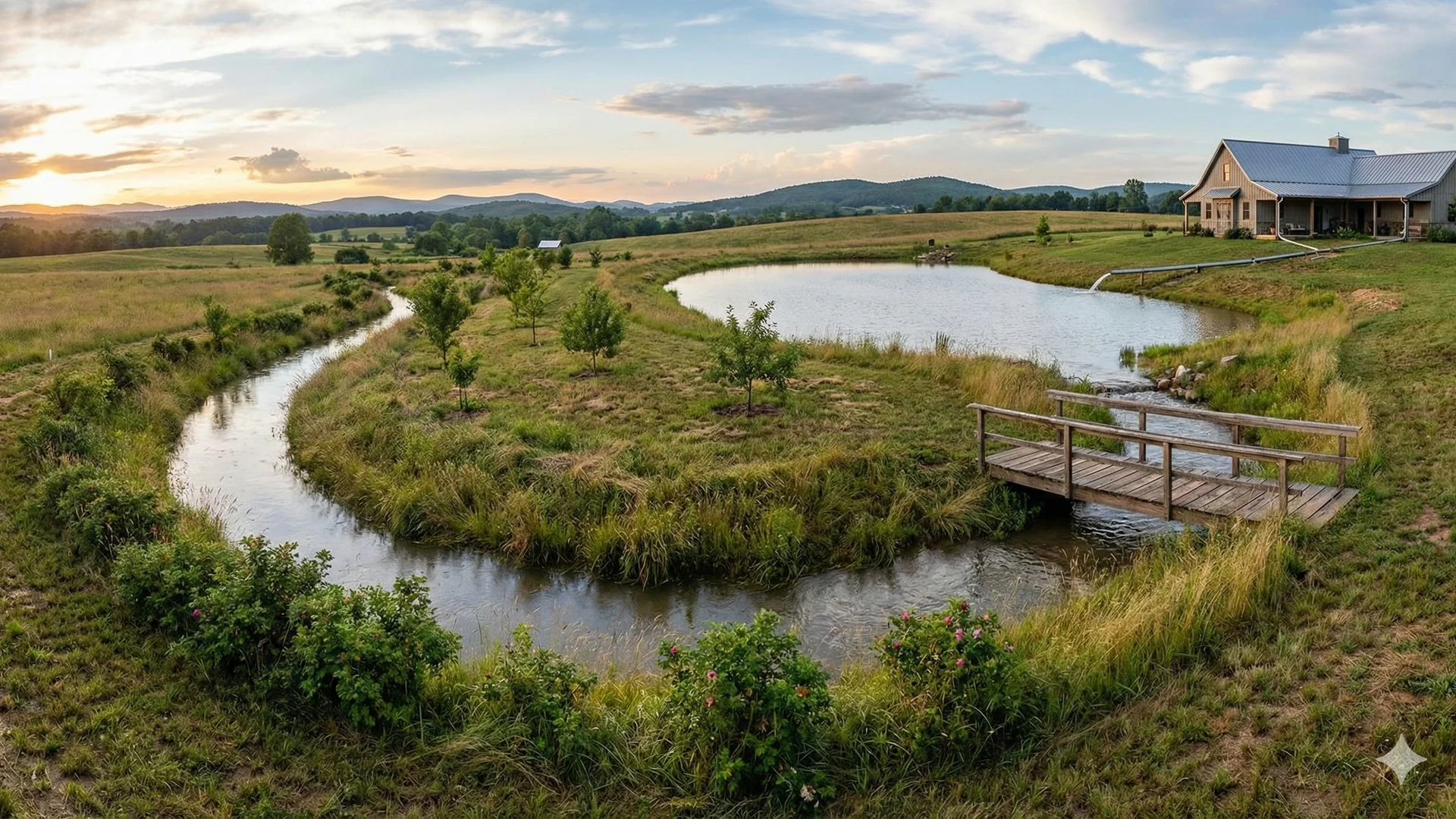
- ➢ Water Harvesting Earthworks: Before planting a single tree, shape your land. Dig swales (contour trenches) or sunken beds to capture every drop of monsoon rain. This charges the groundwater and keeps your trees alive during visiting dry months.
- ➢ Mulch, Mulch, Mulch: The sun is the enemy of soil moisture. Keep your soil covered with a 6-inch layer of dry leaves, wood chips, or straw. This regulates soil temperature and feeds the fungal web.
- ➢ Nitrogen Fixers: Interplant your fruit trees with "support species" like Gliricidia or Pigeon Pea. Chop and drop their leaves to provide free, organic nitrogen fertilizer to your system.
The "Guild" Concept: Plant Companionships
In a food forest, no plant stands alone. We group plants into "guilds" that support each other. A classic Bangalore guild might center around a Papaya tree.
Under the Papaya, plant Comfrey or Mexican Sunflower to mine nutrients from deep in the soil. Plant Marigolds to repel nematodes from the roots. Let a Cowpea vine climb the trunk to fix nitrogen. Cover the surrounding soil with Sweet Potato to choke out weeds. Each plant has a job, reducing your workload to almost zero once established.
Small Space, Big Impact
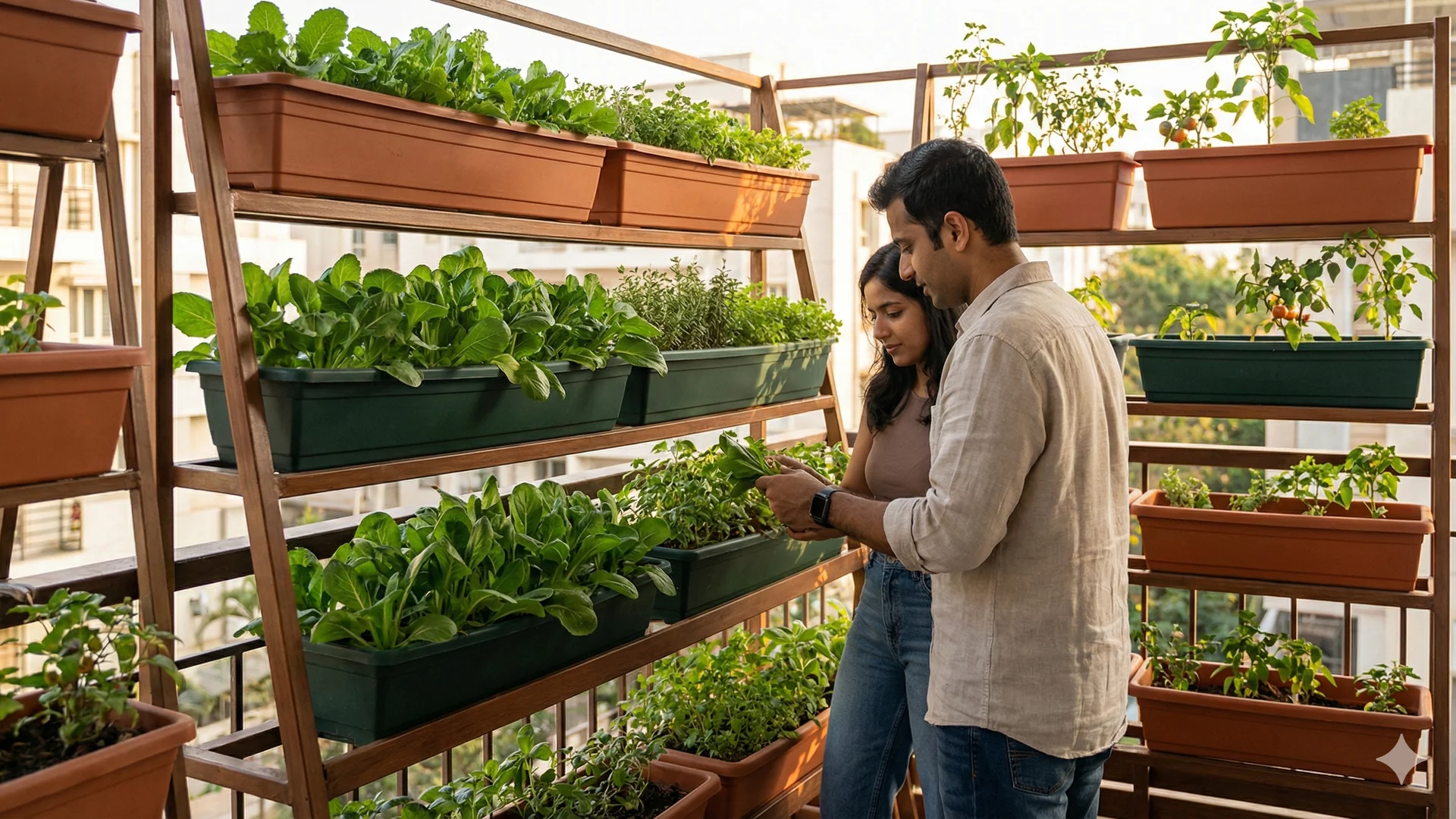
You might think this is only for people with large plots. Not true. Even a 500 sq. ft. terrace can support a "pot-based" food forest. Use large grow bags for dwarf fruit trees. Let vines trail down from hanging baskets. Grow ginger and turmeric in the shade of the larger pots.
"The goal isn't just to grow food; it's to grow a living system that sustains you. When you step into your urban food forest, the temperature drops, the noise of the city fades, and you are surrounded by the abundance of nature."
Start Your Journey Today
Building an urban food forest is a legacy project. The tree you plant today will feed you for decades. Start small. Pick one corner of your yard or terrace. Observe the sun. Build the soil. And plant that first fruit tree. Nature is waiting to partner with you.
Own a Managed Food Forest
Don't have the space in the city? Own a fully managed ¼ acre, ½ acre, or 1 acre food forest at our Misty Valley Farm Retreat near Bangalore. We design, plant, and maintain it for you.
View Project Details →Explore More Farm Opportunities
- For a complete overview, read our permaculture farming near Bangalore.
- Deepen your research by exploring our managed farmland around Bangalore.
- eco farm near Bangalore
- farmland locations near Bangalore
Myth vs. Reality
"Fruit farming is easy money."
"Organic fruit looks ugly."
"I can harvest year-round."
Interested in owning farmland?
Schedule a free site visit to explore our managed farmland projects near Bangalore.