Short answer
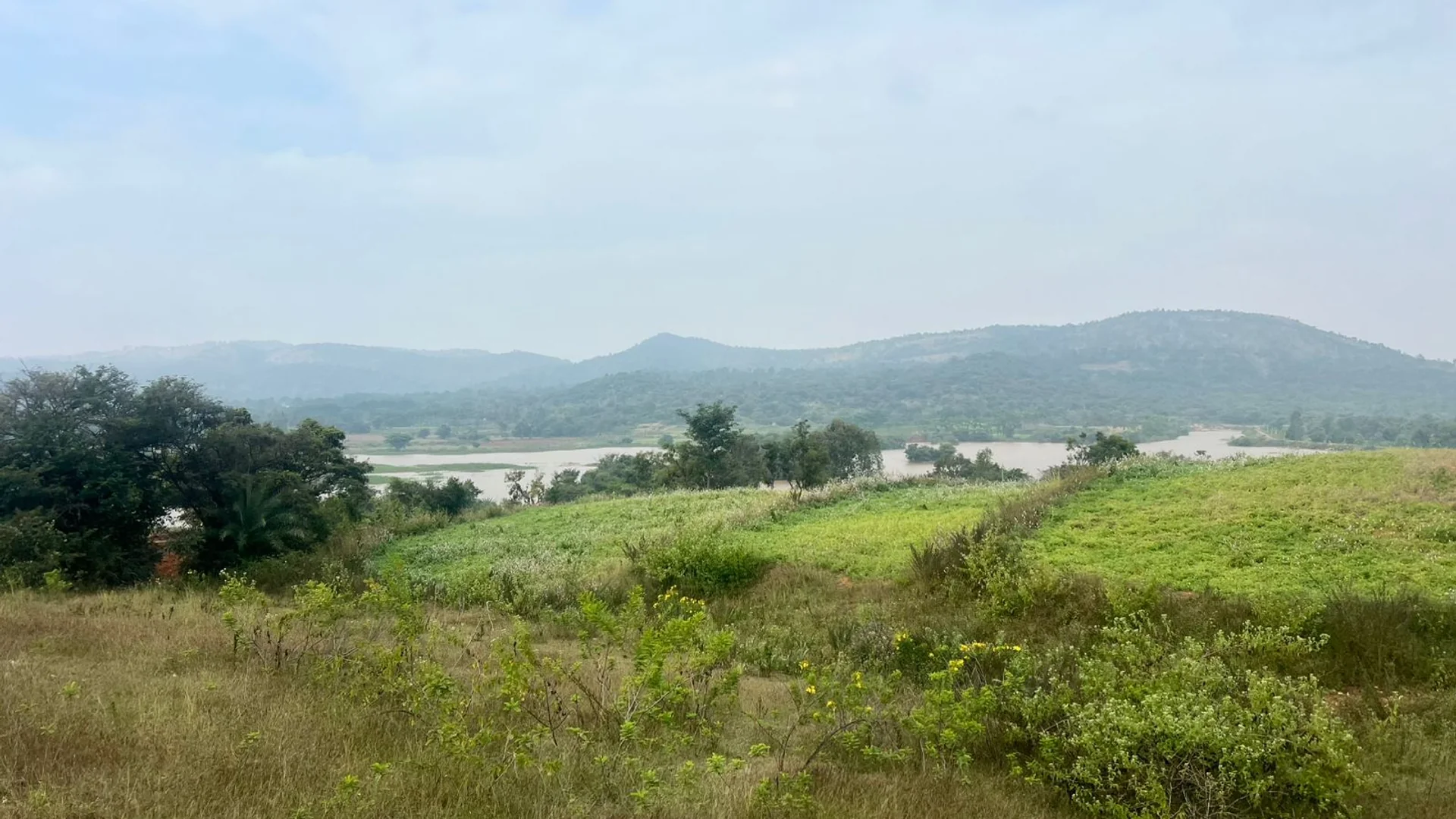
Children ask to go back to the land because nobody plans their day there. They find frogs, walk barefoot and stay outside for hours. A farm morning near Bangalore gives them the kind of unstructured time city life rarely does. Book a visit by appointment.
The children ask to go back because the land gives them something they rarely get anywhere else: a whole afternoon that is theirs. Nobody plans it. Nobody times it. There is grass to run on, a frog to find, and a sky to watch instead of a screen. On the way out, the question often comes: "When can we come again?"
Here is why that happens, what it looks like, and how to give them more of it.
Reason one: nobody is telling them what to do
Think about the shape of a child's week in the city. School, then a class, then homework, then dinner, then bed. Even the fun is booked. The music class. The birthday party at four.
On the land, the shape disappears. There is no slot. There is a long stretch of grass and a parent who has, for once, nowhere to be. In the opening few minutes children often don't know what to do with that. They stand close to you. They ask what they are supposed to do.
Then, almost always, they find out. A stick becomes a sword. A line of ants becomes an expedition. Twenty minutes later you can hear them, but you can't see them, and they are fine.
Reason two: they notice things you walk straight past
Adults look at the view. Children look at the ground.
They notice the dew that soaks their socks before breakfast. They notice that the grass in the shade is cooler than the grass in the sun. They notice the snail on the wet stone, and they will tell you about it three times. They notice the frog. Everyone's child, it seems, finds a frog, and in the telling it gets bigger every year.
Walk the land with a child and you will see more of it than you would alone. That is one of the quiet gifts of bringing them.
Reason three: bare feet
Something happens when the shoes come off. Children run differently barefoot. They slow down at the edge of the grass and test it with their toes. They feel the warm patch and the cool patch. They come back with green on their heels and dust on their ankles and a look you don't see often enough.
You may find your shoes off by lunch too.
Reason four: the afternoon is long
In the city, an afternoon is something to fill. On the land, it stretches. Lunch runs long under the shade. Someone dozes in a chair. The children drift between the adults and the grass, back and forth, with no one calling them in.
That long, unhurried afternoon is the part children remember. Not a single big event. The feeling that there was time.
Reason five: the late afternoon
As the light goes gold, the birds start to settle one by one. The air cools. The children lie on their backs in the grass and watch the sky change colour. You don't need to plan this part. It happens on its own.
What parents notice
Parents notice something too, though they talk about it less. They notice that they put the phone down without deciding to. They notice the children talking more, to each other and to them. They notice that nobody argued in the car on the way out.
And some notice a small, uncomfortable thing: how rarely the week gives them an afternoon like this.
"But who looks after the land the rest of the time?"
It is the question every parent asks next, and it is a good one. You can't be there all week, and you shouldn't have to be.
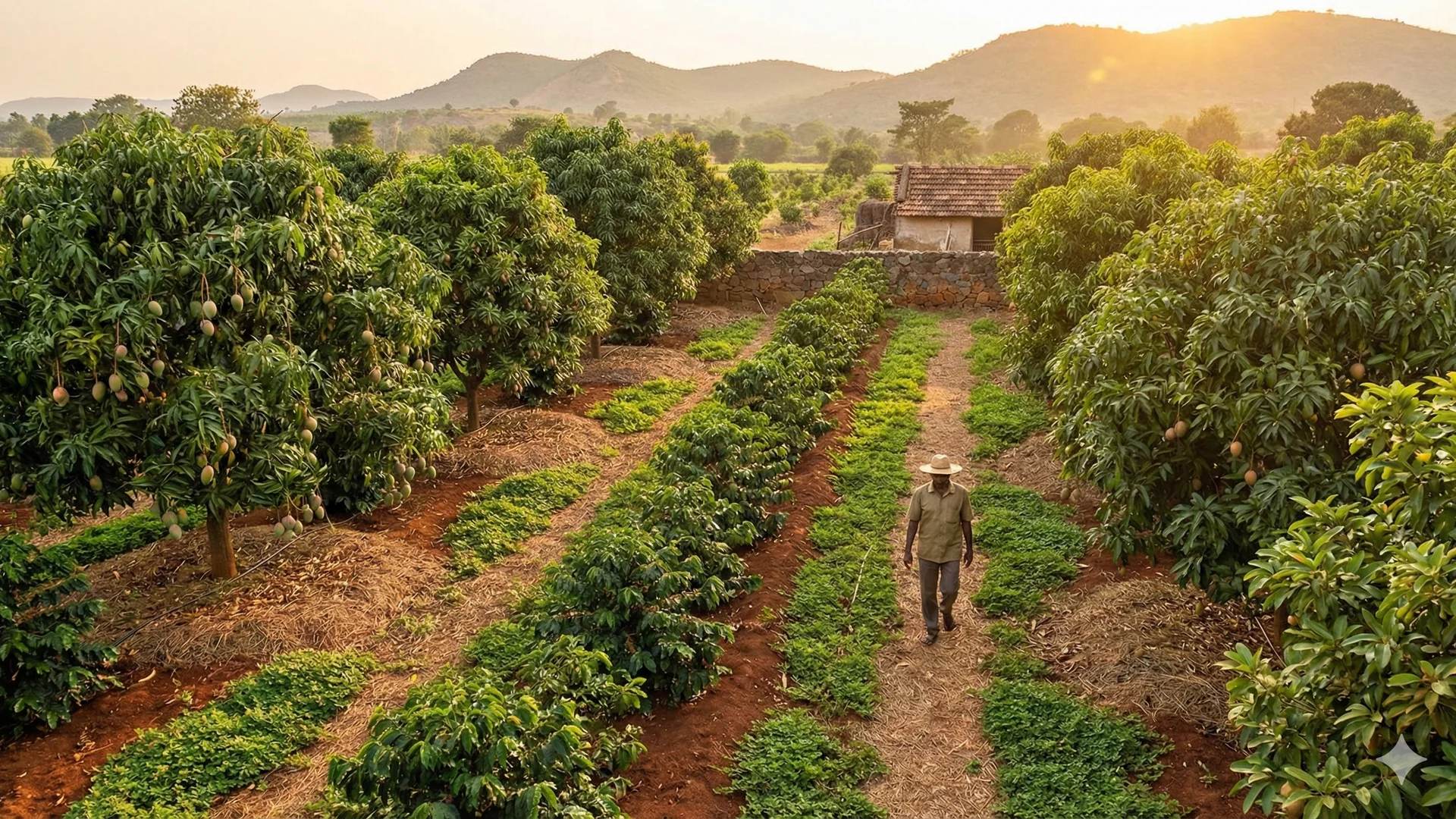
Here is the plain answer. You own the land, and the OAF team looks after it between your visits. You choose the land, you decide when to come, and you ask for the details in writing so you know how it is looked after. You own it. We look after it.
When the children ask to go back, the answer can be yes.
"And how is the land checked?"
The other good question. The process, in plain words:
OAF traces each parcel's old records and legal history, including the selling families. OAF works only where it has direct local connections in the villages and towns to cross-check. Experienced law firms do the full legal due diligence.
OAF since 2019. Our founder has worked in farmland since 2014.
How to give them more of it
Start with one visit. Bring the children. Let them run while you walk the land and ask your questions. Watch where they go and what they find. Ask for the details in writing, read them at your pace, and decide slowly.
If it is right for your family, you will know it partly from them. Listen in the car on the way out. If someone small asks when you can come again, that tells you a lot.
The question in the car
Every parent knows that question. It comes after a good day, half asleep, from the back seat. "When can we come again?"
It is one of the best things a child can say. It means the day was theirs.
Come and see it
Farmland you own, looked after between visits. Book a site visit at theoneacrefarms.com/contact-us. Open Mon to Sun, 9:00 to 18:00. Site visits by appointment. Or call +91 89254 12027.
Bring the children. Nobody will rush you.
Interested in owning farmland?
Schedule a free site visit to explore our managed farmland projects near Bangalore.