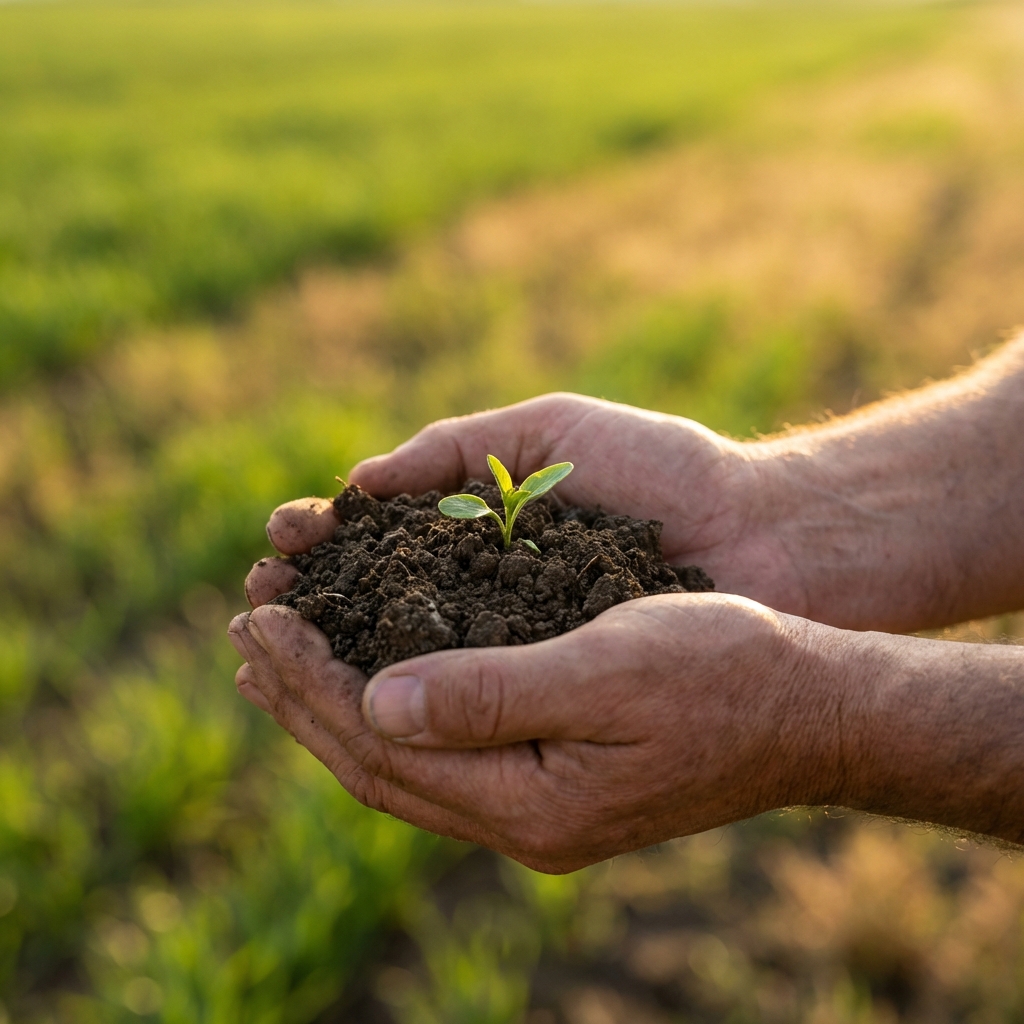
"The nation that destroys its soil, destroys itself." — Franklin D. Roosevelt. For the modern farmer near Bangalore, soil isn't just a medium for holding plants; it is a complex, living ecosystem that dictates the health of your harvest and the resilience of your land.
The Challenge: Deccan Plateau's Red Soil
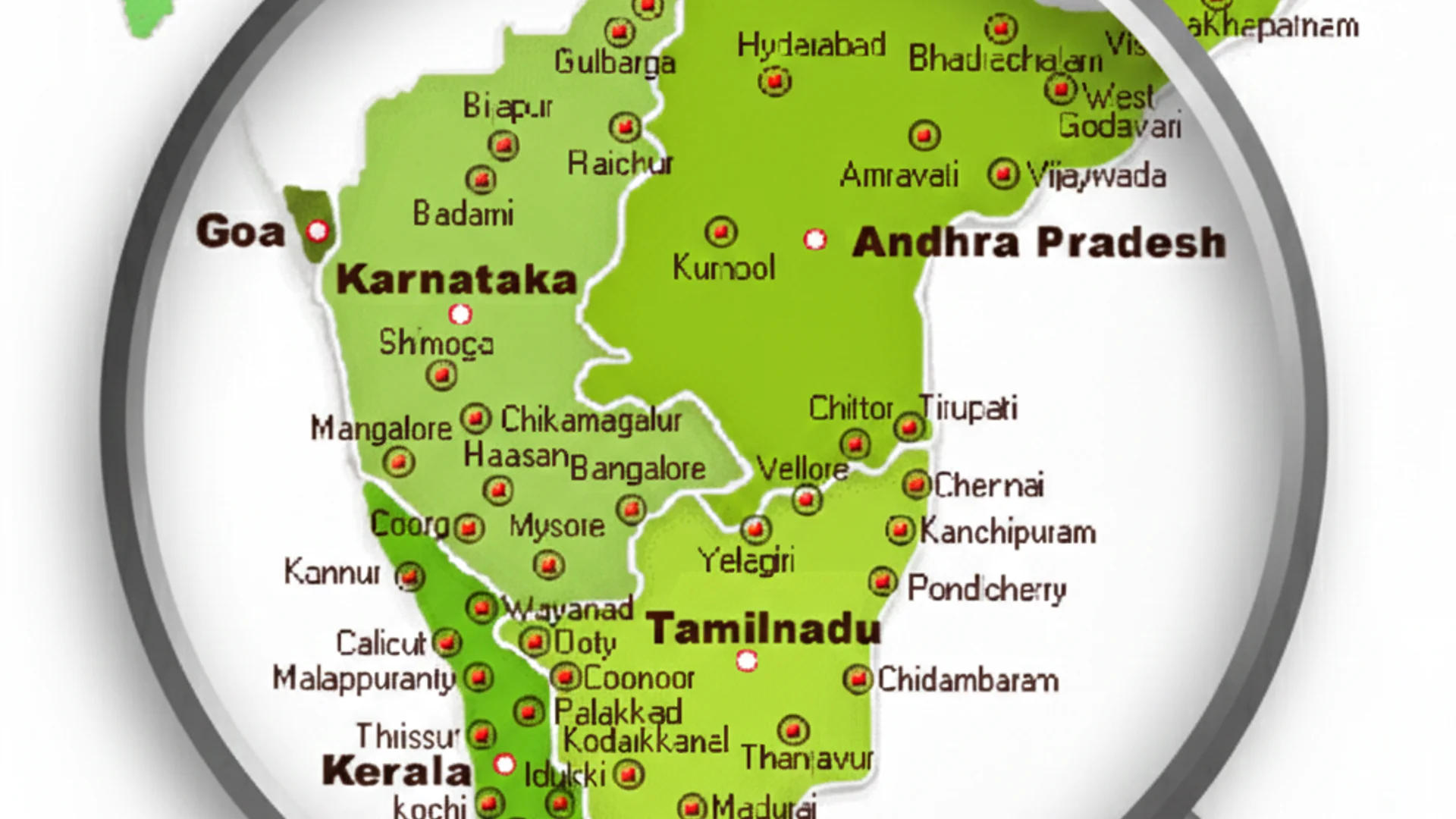
The soil around Bangalore, Hosur, and Thalli is predominantly Red Loam (Alfisol). While richer in iron and aluminum, it often suffers from three critical issues: slight acidity, low organic matter content due to heat oxidation, and a tendency to compact into a "hardpan" layer that restricts root growth.
Transforming this soil from a hard, red brick into a dark, crumbly sponge requires more than just dumping NPK fertilizers. It requires a biological revolution. Here are the 7 most effective methods we use at One Acre Farms to regenerate fertility.
1. In-Situ Sheet Mulching ("Lasagna Gardening")
This is the fastest way to build topsoil without tilling. Tilling destroys fungal networks (mycorrhizae) that help plants access nutrients. Instead, we layer organic materials directly on top of the ground.
The Recipe:
- Base Layer: Cardboard or newspaper (wet) to suppress weeds.
- Nitrogen Layer: Fresh green waste, cow manure, or kitchen scraps.
- Carbon Layer: Dry leaves, straw, or wood chips.
- Repeat: Add layers until pile is 12-18 inches high.
Within 3-6 months, earthworms will move up to consume this feast, mixing it for you and creating rich, dark humus.
2. Biochar Integration
Biochar is charcoal produced from plant matter and stored in the soil as a mean of removing carbon dioxide from the atmosphere. For farmers, it's a permanent house for soil microbes.
Because the red soil holds water poorly, biochar acts like a microscopic coral reef. It absorbs water and nutrients, preventing them from leaching away during heavy monsoon rains. We "charge" our biochar by soaking it in liquid manure (Jeevamrutha) before applying it, so it introduces life immediately.
3. Green Manuring with Cover Crops
Never let your soil sit bare under the harsh tropical sun. UV radiation kills bacteria on the soil surface. We plant specialized cover crops like Sunn Hemp (Crotalaria juncea), Daincha (Sesbania), or Horse Gram.
These legumes fix nitrogen from the air into root nodules. Before they flower, we chop them and drop them onto the soil (chop-and-drop). This adds tons of biomass and nitrogen back into the system essentially for the cost of seed.
4. Aerated Compost Teas (ACT)
Sometimes you need a microbial injection. ACT involves brewing high-quality vermicompost in water with a food source (molasses/jaggery) and pumping air through it for 24 hours.
This multiplies the beneficial bacteria and fungi billions of times. Spraying this onto your soil or leaves helps suppress diseases and rapidly accelerates the breakdown of organic matter into plant-available nutrients.
5. The "Jeevamrutha" Method
A traditional Indian regenerative technique championed by Subhash Palekar. It is a fermentation of:
- 🌿 Fresh Desi Cow Dung
- 💧 Cow Urine (Gomutra)
- 🍯 Jaggery (microbe food)
- 🥣 Pulse Flour (Besan)
- 🌍 Handful of undisturbed forest soil (inoculant)
Applied monthly via irrigation, this acts as a powerful microbial stimulant, encouraging earthworm activity and unlocking locked-up minerals like phosphorus in the soil.
6. Swales and Hydration
Soil biology needs water to survive. On sloped land, water runs off too quickly. We dig swales—trenches on contour—to catch this runoff. The water sinks slowly, creating a lens of moisture that migrates through the soil profile downhill. Hydulated soil remains biologically active for weeks longer into the dry season than dry soil.
7. Trace Mineral Remineralization
Plants need more than N-P-K. They need micronutrients like Zinc, Boron, and Copper. We use Rock Dust (waste from granite quarries, plentiful in Karnataka) to add these minerals back. Fungi then mine these rocks and transport the minerals to plant roots in exchange for sugars—a perfect symbiotic trade.
"We are not growing plants; we are growing soil. The plants are just the byproduct of a healthy soil ecosystem."
The Result: Resilience
By implementing these 7 methods, we've seen compact red clay transform into dark, coffee-ground-like loam in as little as 18 months. This soil holds more water, resists erosion, and produces food that creates true health for those who eat it.
See Regenerative Soil in Action
Visit our Lake Side Farm Retreat to see how we've used these methods to transform barren land into a lush, productive ecosystem. Touch the soil, verify the difference.
Schedule a Soil Tour →Explore More Farm Opportunities
- For a complete overview, read our managed farmland around Bangalore.
- Hobby Farming Vs. Managed Farming
- Deepen your research by exploring our see managed farmland for sale.
Myth vs. Reality
"You need chemicals for big yields."
"Red soil is poor soil."
"Digging is good for soil."
Interested in owning farmland?
Schedule a free site visit to explore our managed farmland projects near Bangalore.